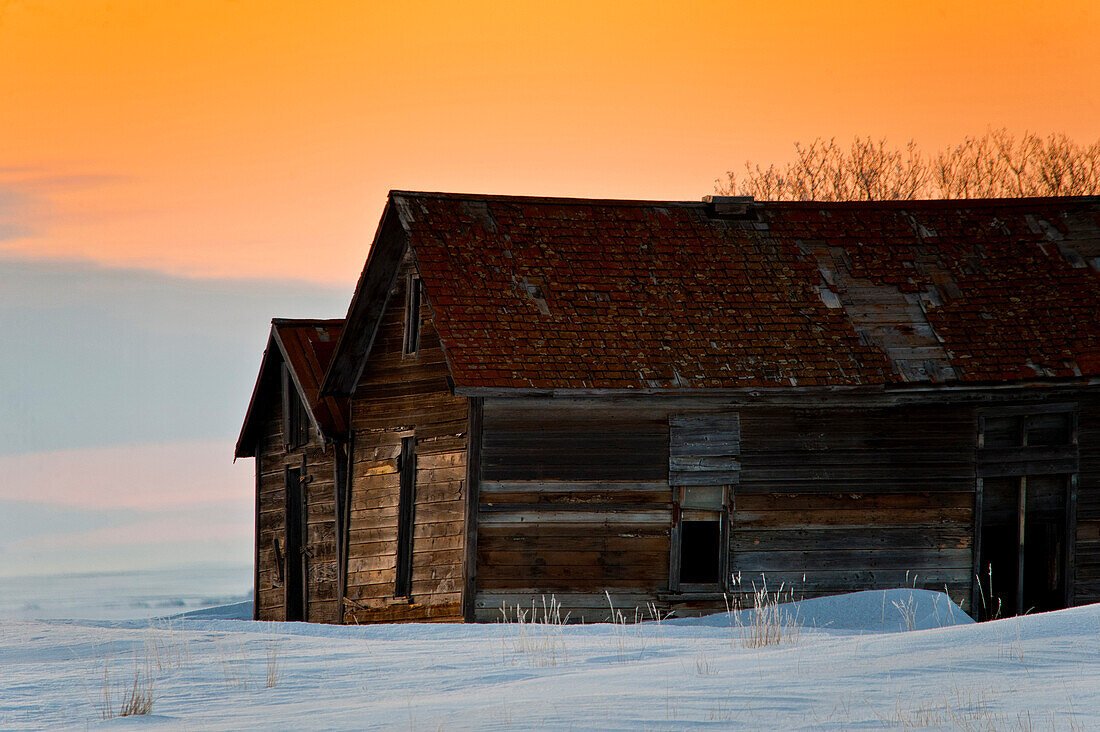
A thirteen-generation story, from a Yorkshire tannery yard in the storms of the seventeenth century — through the woollen villages of the Aire valley, across the Atlantic to the Saskatchewan dust, and west again into the Alberta oilfields and the Peace Country. Where the records and the inherited genealogy disagree, the records win; see the Notes for what is confirmed, what was overturned, and what is still open.
PrologueThe word they never named
Yorkshire → Saskatchewan → Alberta · c. 1610 to today
Every long family has a moment when the line nearly ends. For the Haistes, that moment came in the middle of the seventeenth century, when armies marched across Yorkshire during the English Civil War, plague swept the country in 1665, and the worst winters of the Little Ice Age killed two harvests running. In the middle of all of it, a young Yorkshire tanner named Richard kept his household alive long enough to baptize a son in the parish church of Barwick-in-Elmet in the spring of 1641. The son was named George. Three and a half centuries later, that single thread of survival had become an Alberta family of dozens — a thread that runs from Yorkshire fields through the long transformation of Yorkshire textiles, across the Atlantic in a steamship, into Saskatchewan dust, and west again into the Alberta oilfields and the towns of the Peace Country.
The Haistes have no single word for what carried them through. You see it in Richard, who survived a civil war. In a Yorkshire clothier named Joseph who married Hannah Padget at Calverley Church in 1802 and raised seven children outside Idle. In Ernest, who left England as a young man for a quarter-section of Saskatchewan grass he had never seen. In Sydney, who pulled his family out of a Depression dust storm and pointed them toward Alberta. In Jim, who lived through nine decades of change and buried his own son.
This is their story, told one generation at a time, across the world they had to come through.
Chapter OneThree centuries in the Yorkshire parishes (c. 1610 – c. 1780) — tanners, butchers, and the pull of the city
c. 1610 – c. 1780 · the Yorkshire parishes around Leeds
Richard Haiste was born around 1610, almost certainly in one of the small Yorkshire parishes clustered around Leeds — Barwick-in-Elmet, Hunslet, Tadcaster — where his surname appears in the earliest surviving church records. By trade he was a yeoman and a tanner — hides turned, through weeks of soaking in oak-bark pits and patient scraping, into the leather everyone depended on: filthy, skilled, respected work. And he lived through the most violent stretch of English history since the Wars of the Roses: Yorkshire was a battlefield through the worst of the Civil War, and on top of war came the Great Plague of 1665 and the Little Ice Age, which made his winters colder and his harvests thinner than any in living memory. Learn more about the English Civil War →
Of his home life the registers hold almost nothing — his wife was probably Elizabeth Haigh, by family reconstruction rather than register entry, and many of the pre-1653 parish books were lost when armies ransacked the churches. One son is documented for certain: George, baptized in the parish church of Barwick-in-Elmet in the spring of 1641. When Richard died, around 1670, he had done the most important thing a seventeenth-century man could do: handed off a living family to the next generation. His name will never appear in any history book.
That son grew up in the middle of the war and lived to see England stabilize. George Haiste Sr. stayed in the parishes around Barwick-in-Elmet as a tenant farmer and a butcher, married a woman named Mary, her surname lost, and raised what parish reconstructions put at ten or more children. He died in 1709, at sixty-eight, having steadied the family Richard had handed him — the Haiste name would never again be at risk of dying out in Yorkshire.
His son George (c. 1667–1743) carried the same trades through the same Hunslet–Barwick parishes, in the last quiet decades before the mills and railways that would, a century on, pull his great-grandsons out of the countryside for good. He lived in the breath right before it. And around 1715 another George was born into the line — Georg Haist in some registers, George Haiste in others, the name itself still in flux — a labourer and sometimes butcher, and the first Haiste who really felt the pull of the city. In his father’s day Leeds had been an unremarkable market town; by his middle age it was becoming a textile capital, and by the time his children were grown the family had spread into Leeds, into Hunslet, and into the woollen villages of the Aire valley — where one of them, a clothier named Joseph, would become the first Haiste whose existence rests not on a compilation but on the register of a parish church.
Chapter TwoJoseph Haste, clothier of Calverley (m. 1802) — the first Haiste in the primary record
m. 1802 · Calverley → Idle, the Aire valley
The first man in this family whose existence is anchored by a primary register entry — not a compilation, but the ink-and-paper marriage book of a parish church — is a Joseph Haste who married Hannah Padget at the Church of St Wilfrid in Calverley on the fourth of January 1802. The register lists him as a clothier of Calverley, his bride as Hannah Padget of the same parish, the witnesses as Thomas Haste and Martha Padget. It has been preserved by the West Yorkshire Archive Service and transcribed on calverley.info. The entry reads, verbatim:
This is the bedrock entry for this stretch of the family. Calverley is a village in the Aire valley northwest of Leeds, in the heart of Yorkshire’s woollen district — distinct from the flax mills of Hunslet south of Leeds, where the inherited genealogy had wrongly placed a man of this generation (see the Notes). A clothier in 1802 produced woollen cloth — weaving on a cottage handloom, fulling, dyeing, finishing for market. Joseph and Hannah settled at Simpson Green, just outside Idle, in one of the last strongholds of the domestic system: families making cloth at home and selling finished pieces through the Piece Halls in Leeds and Halifax. The mills were coming for that trade, having already taken cotton, and by the time the couple’s youngest children were born in the 1820s, the domestic clothier was a vanishing figure. But for the first two decades of the century, this was still the life that supported a family like theirs.
Their children, drawn from the Idle baptism registers, arrived at the steady cadence of a working household:
- Thomas — born 30 November 1802, almost certainly named for the witness at his parents’ marriage (likely Joseph’s brother or father).
- Nathan — born 24 June 1811.
- Josiah — born 1 September 1813.
- Joseph — born 14 November 1815, baptised 29 March 1818. On the current evidence the most plausible bridge into the next generation.
- William — born 12 February 1818.
- Martha — born 3 February 1820.
- Mary — 1822.
Theirs was the world of Yorkshire textiles on the verge of full industrialization — the Napoleonic Wars keeping wool in high demand, and, in 1812, the Luddite uprisings, when West Riding wool workers smashed the mechanized cropping frames that were taking their livelihoods. Yorkshire was the heart of that movement, and Calverley sat a few villages over from the worst of the violence. Learn more about the Luddite risings → The Haistes were part of the population whose hands made the cloth the British economy ran on, in the last years before the mills took the trade over.
Of the fourth-born Joseph — the 1815 child who carried his father’s name — the verified record holds, for now, a single baptism entry; the censuses that should carry him toward John Haiste two generations later have yet to be searched (see the Notes). The story picks up again on solid ground with John.
Chapter ThreeJohn Haiste (c. 1840–after 1891) — the idea of leaving
c. 1840 · Leeds · Pontefract · Otley
John Haiste was born around 1840, into a Britain at the peak of its global power, the railway network already stitching Yorkshire together. He worked as a labourer, and, unlike his earliest ancestors, who had stayed in one or two parishes for generations, he moved, following work through Leeds, Pontefract (a mining and licorice town), and Otley (a mix of industry and farmland). He belonged to a generation that learned to be mobile: the railways made it possible to chase wages across a county, and the new culture of industrial labour made it normal. The old certainty that a man would live and die within sight of the fields he had played in as a child was already gone.
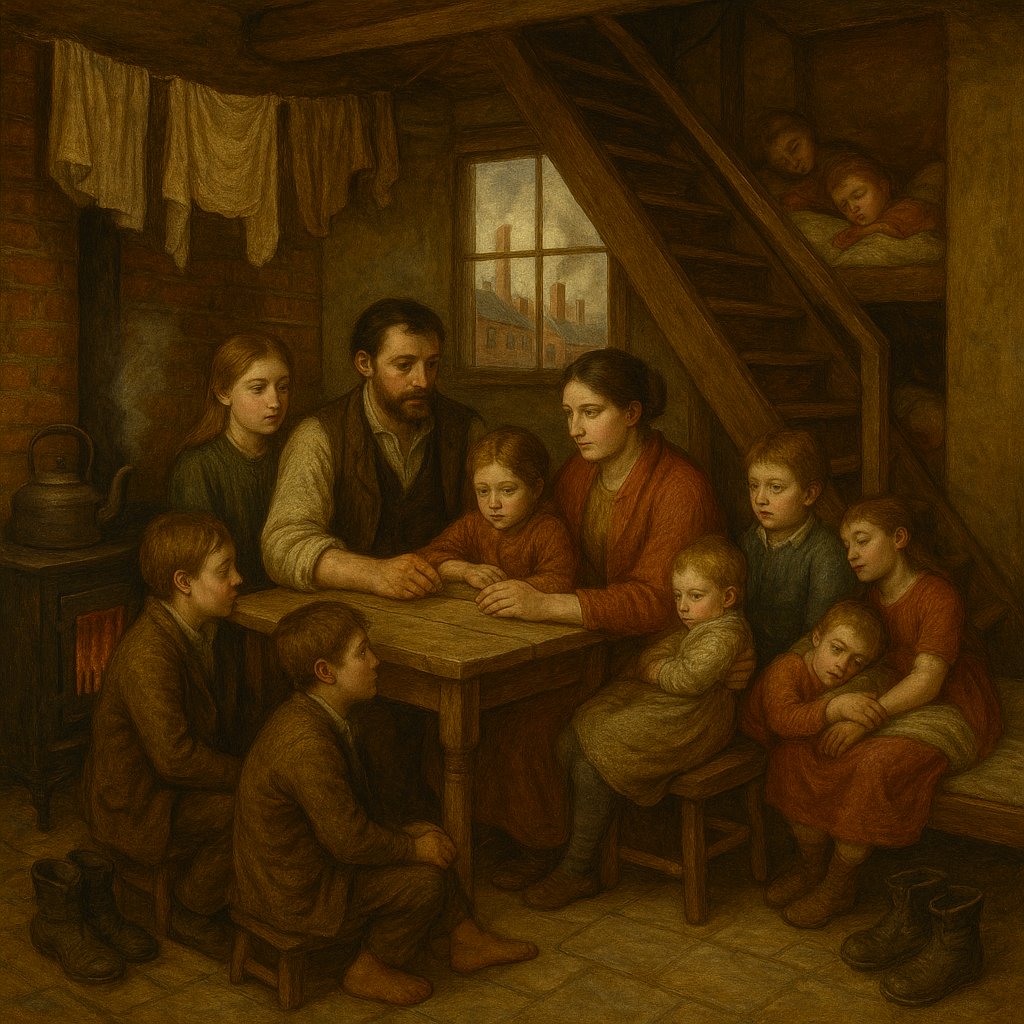
He married Jessy Hobson in late 1866, in the Wharfedale registration district near Otley — a Yorkshire woman of remarkable steadiness — and together they raised nine children, among them William, John Alfred, Aaron, Sarah Jane, Rose, Herbert, Phyllis, and Ernest. Victorian working mothers like Jessy ran households on razor-thin budgets and absorbed every shock the industrial economy threw at a family: illness, seasonal unemployment, accidents in the mills. The household ran on women like her.
John’s own parentage is one of the open seams in this story. The most plausible candidate father is the Joseph born 1815 at Simpson Green, who would have been twenty-five when John was born, exactly the right age, but the link is not yet confirmed against a primary record (see the Notes).
What is not in doubt is what his lifetime contained: the shift that mattered most to the family’s future. Emigration became normal. Steamships made the passage in days, the Canadian Pacific Railway (1885) opened the prairies, and posters appeared in every Yorkshire town advertising free homestead land. John never made the crossing, and most of his children stayed in Yorkshire. But the youngest son, Ernest, born in 1881, would. John’s quiet contribution to the Haiste story is that he raised a son willing to ask the question that had begun to enter ordinary working-class English households for the first time in centuries — what if we left? — and to act on it.
Chapter FourErnest Haiste (1881–1968) — the Atlantic crossing
1881–1968 · Yorkshire → Assiniboia, Saskatchewan
Ernest Haiste was born on 16 October 1881 in Pontefract, Yorkshire, into a world that was, for the first time, globally connected: the telegraph carrying news across oceans in minutes, steamships running on schedules, the Empire at its territorial peak. But the Empire was not for him. His choice — and it was a choice, made deliberately and not by economic accident — was to leave it.
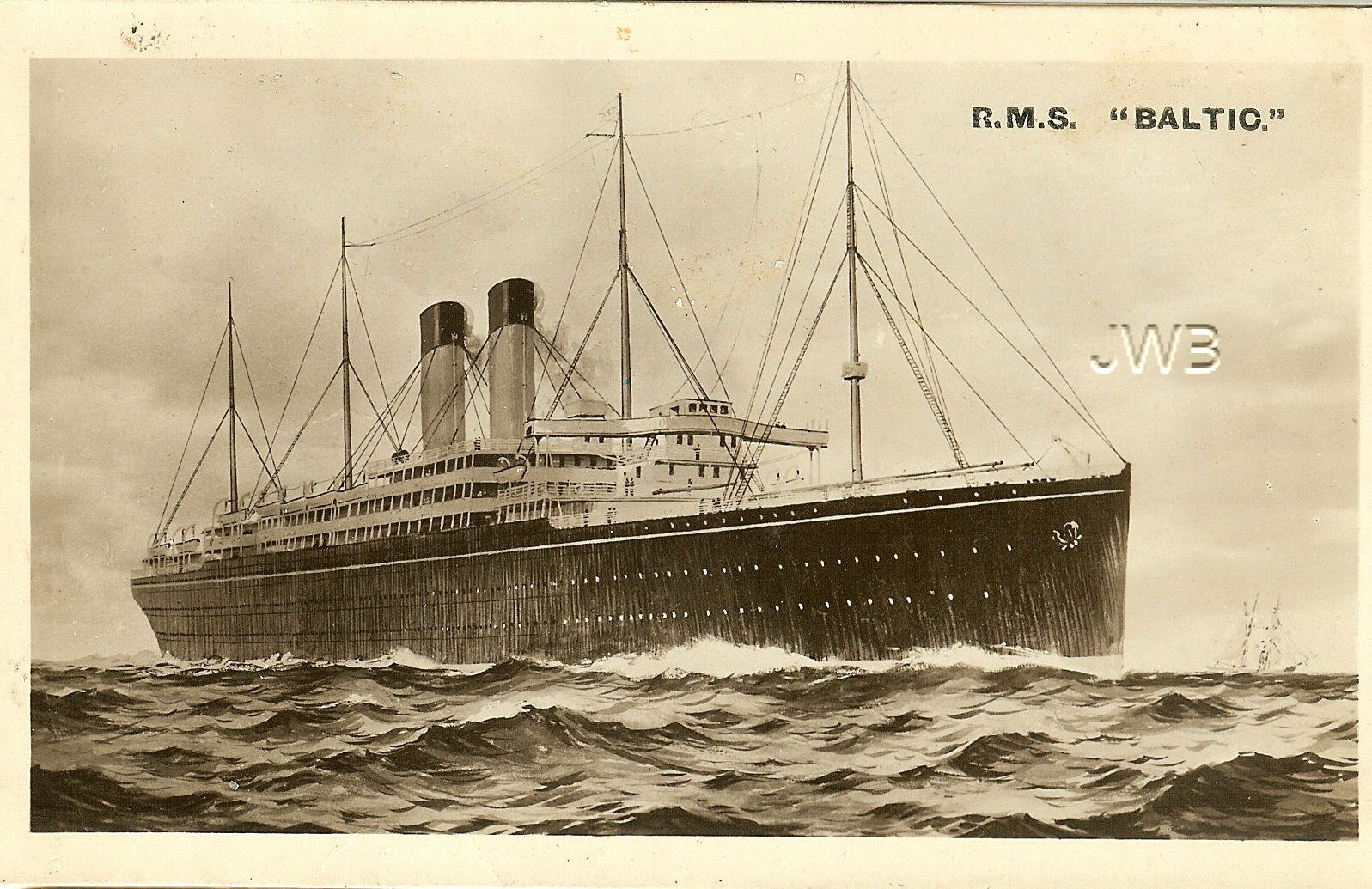
The crossing west
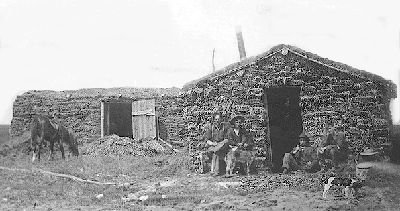
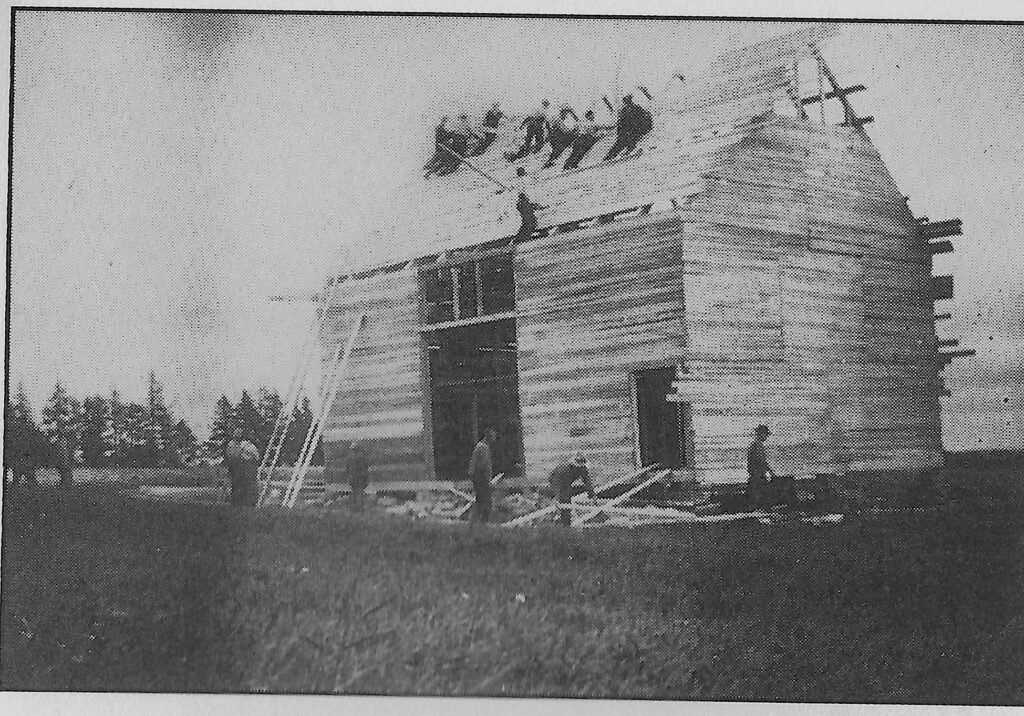
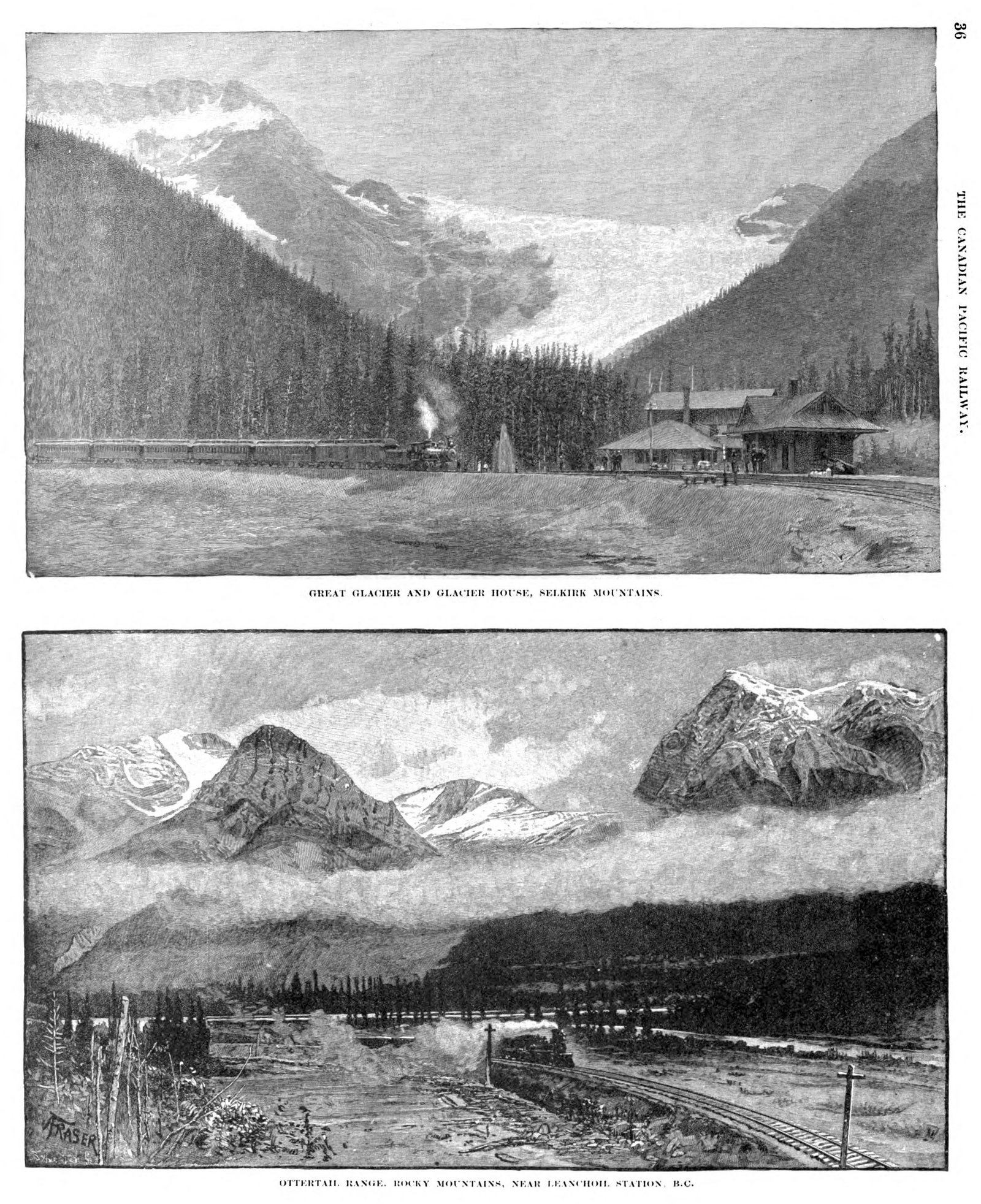
Around 1900 he boarded a steamship in Liverpool, crossed the Atlantic to Halifax, and passed through Canadian immigration into a country that was actively recruiting British and European homesteaders to populate the prairies west of Winnipeg. He boarded a Canadian Pacific train and rode it several days across nearly four thousand kilometres of forest, lake, and grassland to southern Saskatchewan: the Assiniboia district, where the Dominion government would grant a quarter-section (160 acres) to anyone who could break the soil, build a house, and stay three years. He stayed. He broke soil with his hands. He found a wife — whose name does not survive in the materials gathered here, though her presence anchors the next two generations — and together they raised Sydney, Herbert, Roy, Irene, and others: the first Haistes born on Canadian soil. The 1926 census still finds the family on the land in the Assiniboia district.
Life on a Saskatchewan homestead in those years was brutal and beautiful in roughly equal measure — endless sky and grass and wind, a small drafty house of sod or rough lumber, winters at forty below, water hauled by hand from a well that froze every November. But the soil was rich, the wheat grew in volumes Yorkshire farmers would not have believed, and the homestead came with something Yorkshire had never offered: the chance to own land. For a family whose recent ancestors had been tenant farmers, clothiers, and labourers — people who had spent generations selling their labour to someone else — a quarter-section of their own was a liberation no previous Haiste had known.
Ernest lived a long life, eighty-seven years, from 1881 to 1968 — long enough to watch horses give way to tractors and candles to lightbulbs, and to see his grandchildren grow up Canadian. He did not just cross an ocean. He carried the entire future of the family with him.
Chapter FiveSydney Haiste (1906–1980s) — the dust and the oilfields
1906–1980s · Saskatchewan → Alberta
Sydney Haiste was born on the Saskatchewan prairie in 1906 — the first generation of the family born outside England in three hundred years of recorded history. His was the working childhood of any prairie farm kid: chores started young, the land did not negotiate, and by his teens he was the kind of person who did not complain, did not quit, and did not wait for someone else to fix his problems.
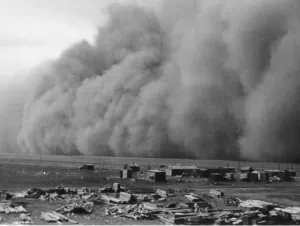
Then the 1930s arrived, and the prairies fell apart. Wheat prices collapsed, crop failures stacked on each other, and the drought came, the worst in the prairies’ recorded history, followed by the Dust Bowl, the topsoil Ernest had spent thirty years working drying out and blowing away. Learn more about the Dust Bowl → Storms of fine black dust buried fences, killed livestock, and pushed thousands of homestead families off the land they had broken with their own hands. Sydney was in his late twenties through the worst of it, old enough to remember when the farm had been viable and young enough to watch it die.
So sometime in the late 1930s or 1940s he made the decision his father had made one generation earlier: he packed up and went looking for a better province. He went west, to Alberta — which, while Saskatchewan was buried in dust, was booming. Oil had been struck at Turner Valley before the First World War; the 1947 strike at Leduc, just south of Edmonton, would soon make the province the energy capital of the country; railways pushed north into Grande Prairie, and new refineries, pipelines, and oilfield towns appeared every year. He went where the work was, taking whatever trades came — farming, carpentry, the early oilfields, mill work — and built a life. He married, and raised a family that included his son Sidney James “Jim” Haiste, born in 1931 in the worst years of the Depression, and Jim’s brothers Cliff, Bob, and Grant. The Haistes had now made two migrations in two generations (Yorkshire to Saskatchewan, Saskatchewan to Alberta), each driven by the same search for land or work that could feed the next generation, each asking the same thing: don’t look back, build here.
Chapter SixSidney James “Jim” Haiste (1931–2018) — the Alberta patriarch
1931–2018 · the Alberta patriarch
Jim Haiste was born on 23 April 1931 in Alberta, in the deepest pit of the Depression — a childhood of not enough money and a lot of teaching by example about how to make do with less. By the time he was a teenager the world had transformed: the Second World War had remade the Canadian economy, and Alberta, with the 1947 Leduc oil strike, was stepping into its modern identity at the exact moment Jim stepped into adulthood. His working life unfolded across the postwar boom.
He married twice. His first wife, Melanie’s grandmother, was Margaret E. “Betty” Funnell, born about 1930 in Manitoba; together they raised their family across Dawson Creek, Edmonton, and Calgary through the postwar decades. After Betty, he married Catherine Caroline Barclay (1936–2016). Across the two marriages he raised six children: Patrick (m. Karen), Cynthia, Patricia, Daniel (“Dan”) — Melanie’s father — Eric (m. Cheraty), and Chris. Many had children of their own, and by the 1990s the Haiste name was known from Edmonton to Grande Prairie; the roots Ernest had planted in Saskatchewan at the turn of the century had grown into branches that reached across a province.
Jim’s life also held the kind of grief no parent expects to carry: he buried his son Chris, and he buried grandchildren. He carried those losses the way Alberta men of his generation tended to — quietly, without complaint, with the same posture handed down through generations of Haiste survival, from a Yorkshire clothier he had never heard of and a Yorkshire tanner who lived through plague and civil war four centuries before he was born. He died on 18 August 2018 in Edmonton, aged eighty-seven, having lived his last twenty-three years with Parkinson’s disease; his funeral was held at St. Patrick’s Anglican Church. He left children, grandchildren, and great-grandchildren.
The Living LineWhere the Haiste river joins the others
Grande Prairie · the confluence of five families
The Haiste line had no single word for what carried it through; it simply carried — four centuries deep, from a Yorkshire tannery to the Saskatchewan dust to the Peace Country — and it arrives, now, in the present.
 Watch: Haiste Family Line From Daniel on. · 1 h 11 m
The Haiste line on film — from Daniel onward, told by the family itself. From the family’s channel, Drifting Splash VIV.
The Haiste descent
- A yeoman and tanner — oak-bark pits, weeks of soaking and scraping, the indispensable filthy trade
- Kept a household alive through the Civil War, the 1665 plague, and the Little Ice Age winters
- His wife was probably Elizabeth Haigh — a family reconstruction, not yet a register entry; the generation is held inherited
- Baptized in the spring of 1641 — the Civil War broke out the next year, and he grew up in the middle of it
- A tenant farmer and butcher — two trades that fed each other and fed the village
- Married a woman named Mary, her surname lost; parish reconstructions put their children at ten or more
- Died 1709, at sixty-eight — the name was never again at risk of dying out in Yorkshire
- Carried on the butchering and yeoman farming in the same Hunslet–Barwick parishes as his father and grandfather
- The records of his wife and children run thinner here — the reconstructions place him solidly in that orbit
- Died 1743, in the last quiet decades before the mills and railways
- The spelling itself still in flux — Georg Haist, George Haiste — clerks entering the name by ear
- A labourer and sometimes butcher; the first of the line who really felt the pull of the city
- By his children’s day the family had spread into Leeds, Hunslet, and the Aire-valley woollen villages — where the primary record finally surfaces
- The bedrock entry: married at St Wilfrid’s, Calverley, 4 January 1802 — Joseph Haste, clothier; witnesses Thomas Haste and Martha Padget
- The first Haiste anchored by a primary register rather than a compilation — West Yorkshire Archive Service originals
- A domestic-system clothier at Simpson Green, outside Idle — cottage handloom wool sold through the Piece Halls, in the trade’s last decades
- The inherited “Joseph born 1757, flax dresser of Hunslet” was overturned when the registers were actually checked
- Born 14 November 1815, baptised 29 March 1818 — the fourth-born of seven, carrying his father’s name
- What is directly verifiable is that baptism entry alone — tracking him into the 1841–1871 censuses is the biggest primary work left
- On current evidence the most plausible bridge to the next generation — held as a hypothesis, and marked as such
- A labourer who moved — Leeds, Pontefract, Otley — in the first railway generation that could chase wages across a county
- Married Jessy Hobson in late 1866 — Victorian households ran on women like her
- His own parentage is an open seam: the 1815 Joseph is exactly the right age, but the link is not yet confirmed
- Never crossed himself — but raised the son willing to ask what if we left?
- Born Pontefract 16 October 1881; around 1900 he boarded a steamship at Liverpool — and chose to leave the Empire
- Broke a quarter-section of Assiniboia grass with his hands — the first Haiste land owned, not rented, in centuries
- His wife’s name does not survive in the materials gathered here — though her presence anchors the next two generations; the hunt is open
- Lived to eighty-seven, 1881 to 1968 — long enough to watch horses give way to tractors and his grandchildren grow up Canadian
- Born on the prairie in 1906 — the first generation born outside England in three hundred years of recorded history
- Watched the Dust Bowl bury the farm his father had broken — and pulled the family west to booming Alberta
- Took the work that came: farming, carpentry, the early oilfields, mill work
- His own life is only lightly documented between the Saskatchewan farm and Alberta — a named chase in the Notes
- Born 23 April 1931, in the deepest pit of the Depression; stepped into adulthood the year of the Leduc strike
- Betty Funnell, Melanie’s grandmother, was Manitoba-born; after Betty he married Catherine Caroline Barclay
- Six children across the two marriages; he buried his son Chris, and grandchildren — and carried it the way his generation did, quietly
- Died in Edmonton, 18 August 2018, at eighty-seven, after twenty-three years with Parkinson’s — St. Patrick’s Anglican held the funeral
- Born 1959 — the son through whom the Haiste name reaches the present
- Married Lana Lyn Rycroft — the Rycroft, Steinke, and Thommessen currents join the Haiste one; her side is told in the Rycroft story
- Married 2 July 2016 in Calgary
- The parents of Patience, Daniel, and Faith
- Born 2013, 2015, and 2017, all in Grande Prairie
- Heirs of all eight family lines — the confluence this whole site is built around
Among Jim’s descendants is his granddaughter Melanie Lyn Haiste, born in Grande Prairie in 1983 — the daughter of Jim’s son Dan Steven Haiste, born in 1959, and the living point at which the whole Haiste line arrives in the present. Through Dan, and Jim, and Sydney, and Ernest, and the Calverley clothier, and the Yorkshire tanner before them all, she carries generations of Haiste survival: descendant of a tanner who lived through civil war and plague; of a clothier who married Hannah Padget two centuries before her and raised seven children at Simpson Green; of a man who crossed an ocean alone to break virgin Saskatchewan soil; of a man who pulled his family out of a dust storm and pointed them toward Alberta.
But Melanie does not carry the Haiste line alone, and this is where the shape of the whole family becomes clear. On her mother’s side she carries the Rycrofts of Leeds and the Steinkes, through her mother Lana Lyn Rycroft. More on that side in the Rycroft story →. And in Calgary in 2016 (they married on the second of July) her life joined that of Thomas Cheesman, born in Calgary, who carries currents of his own: the Lakeman line out of a Dutch polder through his father, and the Docherty and Hebridean McIver lines out of Ireland and the Scottish islands through his mother. Thomas carries the surname Cheesman not by blood but by choice, from the step-father whose family gave it to him — the chosen channel into which all of these blood-lines pour. Melanie and Thomas are the parents of three children, all born in Grande Prairie: Patience (2013), Daniel (2015), and Faith (2017). The Haiste line does not narrow to one of them. It passes to all three, together, braided with four other lines — the Lakeman, Docherty, and McIver through their father; the Haiste and Rycroft through their mother; and the Cheesman name that gathers them all. Five families, from four corners of the world, meeting at last in one Peace Country home.
None of those ancestors knew Patience, Daniel, or Faith. Richard Haiste could not have imagined an ocean; the Calverley clothier could not have imagined an aircraft; Ernest could not have imagined that his great-great-great-grandchildren would be born in a country whose grocery stores carried fruit from every continent, in towns connected to the whole earth by glass screens that fit in a hand. What every one of them did know — what every one of them practiced, generation by generation, without ever needing a single word for it — is the thing that brought their family through four centuries of plague, war, industry, migration, dust, and change.
They came through.
What Patience, Daniel, and Faith are handed is not the Haiste share alone but the confluence of all of it — proven where the records reach, and marked honestly where they don’t. Four centuries of coming through, and the line begins again from here.
Lineage at a glance
| Generation | Name | Born | Died | Place of life | Confidence |
|---|---|---|---|---|---|
| 1 | Richard Haiste (yeoman, tanner) | c. 1610 | c. 1670 | Yorkshire (Barwick-in-Elmet, Hunslet) | Inherited |
| 2 | George Haiste Sr. (tenant farmer, butcher) | 1641 | 1709 | Yorkshire | Inherited |
| 3 | George Haiste (butcher, yeoman) | c. 1667 | 1743 | Yorkshire | Inherited |
| 4 | Georg Haist (labourer, butcher) | c. 1715 | — | Yorkshire (Leeds / Hunslet / Aire valley) | Inherited |
| 5 | Joseph Haste (clothier, woollen) | c. 1775–82 | — | Calverley → Idle → Simpson Green | Verified — Calverley marriage register 1802; Idle baptism register 1802–1822 (m. 1802) |
| 6 | Joseph Haste (Jr.) | 14 Nov 1815 | — | Simpson Green, Idle | Verified at birth — Idle baptism register (baptised 29 Mar 1818); later life records still to be located |
| 7 | John Haiste | c. 1840 | after 1891 | Leeds → Pontefract → Otley | Inherited — birth/parents not yet confirmed; the Gen 6→7 link is still a hypothesis |
| 8 | Ernest Haiste | 16 Oct 1881 | 1968 | Pontefract, Yorkshire → Assiniboia, Saskatchewan | Verified — English census; Canadian immigration; homestead records |
| 9 | Sydney Haiste | 1906 | 1980s | Saskatchewan → Alberta | Verified / Living memory |
| 10 | Sidney James “Jim” Haiste | 23 Apr 1931 | 18 Aug 2018 | Alberta (d. Edmonton) | Living memory |
| 11 | Dan Steven Haiste | 1959 | — | Grande Prairie, Alberta | Living memory |
| 12 | Melanie Lyn Haiste | 1983 | — | Grande Prairie, Alberta | Living memory — carries the Haiste line into the confluence; with Thomas Cheesman, parents of the three |
| 13 | Patience | — | — | Grande Prairie, Alberta | Living memory |
| 13 | Daniel | — | — | Grande Prairie, Alberta | Living memory |
| 13 | Faith | — | — | Grande Prairie, Alberta | Living memory |
Confidence tiers: Verified — anchored to at least one primary register or government record (parish register, civil registration, census, immigration or homestead file). Inherited — rests on the family genealogy without independent primary verification yet. Living memory — recent enough to be remembered directly by family.
Side-branches and collateral kin named in the records but off the direct line: Joseph the clothier’s other documented children at Idle — Thomas, Nathan, Josiah, William, Martha, and Mary; John Haiste’s other children with Jessy Hobson (nine in all) — the seven recorded here being William, John Alfred, Aaron, Sarah Jane, Rose, Herbert, and Phyllis; Ernest’s other Canadian-born children — Herbert, Roy, Irene, and their siblings; Sydney’s other sons, Jim’s brothers — Cliff (m. June), Bob (m. Audrey), and Grant; and Jim’s wider family across two marriages — his first wife Margaret “Betty” Funnell (Melanie’s grandmother; daughter of Thomas Ernest Funnell and Ethel Bastin, 1893–1975) and his second, Catherine Caroline Barclay (1936–2016), with children Patrick (m. Karen), Cynthia, Patricia, Eric (m. Cheraty), and Chris alongside Dan. Thirteen generations after a Yorkshire tanner kept his household alive through a civil war, the Haiste thread comes to rest at the foot of this table — three Alberta children in whom it joins the seven other lines, under the chosen Cheesman name.
Notes on the records
Like every family story that reaches back four centuries, the Haiste line is held together by records of vastly different quality. Some generations are documented to the day — Ernest’s 1907 emigration paperwork, the modern Alberta years. Some rest on parish registers transcribed by volunteers. And the deepest seventeenth- and eighteenth-century reaches rest on family-tree compilations whose primary sources have not yet been independently checked. The story is solid at both ends; the middle is where the work remains.
Key records still needed
In rough order of value:
- The link from Joseph (b. 1815) to John Haiste (c. 1840). The most consequential gap, because the entire Saskatchewan–Alberta line descends from John. Whether John was the son of the verified clothier’s son, of some other Joseph, or of a man yet unidentified is the single most important piece of primary work left on the Yorkshire end.
- Joseph the clothier’s own baptism — should appear in the Calverley registers around 1775–1782 if he was a native; it would name his parents and show whether his line connects to earlier Haistes in the area.
- The 1841 census for Calverley / Idle — would show whether the clothier survived past 1839 (the inherited death year for the supposed Hunslet flax dresser). If he is alive in Idle in 1841, the two men are definitively different.
- A burial record for Joseph the clothier — would settle his death year and place.
- The earlier Yorkshire generations. Richard, the early Georges, and Georg Haist all rest on the inherited genealogy; research in the Barwick-in-Elmet, Hunslet, and Leeds parish registers would put them on the same footing as the Calverley clothier.
- Sydney Haiste’s life is only lightly documented between the Saskatchewan farm and Alberta — his birth, marriage, and movements are still to be filled in. And one date is genuinely unsettled: the family record places Ernest’s emigration “around 1900” (he is farming in Assiniboia by the 1926 census), where an earlier account put the crossing nearer 1907.
Notes
The Chapter Two revision — the inherited “Joseph born 1757,” overturned. The biggest correction between drafts is here. The earlier genealogy described a Joseph Haiste born 1757, a flax dresser in Hunslet (south Leeds), died 1839, with a wife Hannah Padget and eight named children — a description drawn from the kind of online tree-compilations that propagate copy-and-paste errors across thousands of trees. When the primary Yorkshire parish records were actually checked (the Calverley/Idle transcriptions on calverley.info, from West Yorkshire Archive Service originals), a different man emerged: a clothier, not a flax dresser (woollen, not linen); of Calverley in the Aire valley, not Hunslet; married to Hannah Padget on 4 January 1802; with seven documented children at Idle/Simpson Green, 1802–1822. The dates make the inherited “born 1757” untenable — a man who married in 1802 and fathered children through 1822 was almost certainly born around 1775–1782. Two possibilities remain, and the evidence cannot yet decide between them: (a) conflation — the Calverley clothier and the inherited Hunslet flax dresser were two different men merged by a tree-builder, the clothier being the real ancestor; or (b) two unrelated families — the clothier is real but not ancestral to John Haiste, in which case the Hunslet flax dresser, if he existed at all, has yet to surface in any register. The verified Calverley family is the one this story follows; the inherited Hunslet cluster is set aside until it can be substantiated.
Spelling. The family name was unstable for centuries — Haist, Haiste, Haste, and Hayste all appear for the same line, clerks entering it by ear. Normal for the period, and not evidence of separate families; but any future search must run all spellings.
Where the line is solid. From John Haiste through Ernest, Sydney, Jim, and the modern Alberta family, the record rests on increasingly firm ground: late-Victorian English civil registration, Canadian immigration and homestead records, government records, and living memory.
The story works at both ends. The middle is where the work remains.
Last updated
Download this story as a keepsake PDF
Next line → You’ve read the last line — watch all eight converge on the map