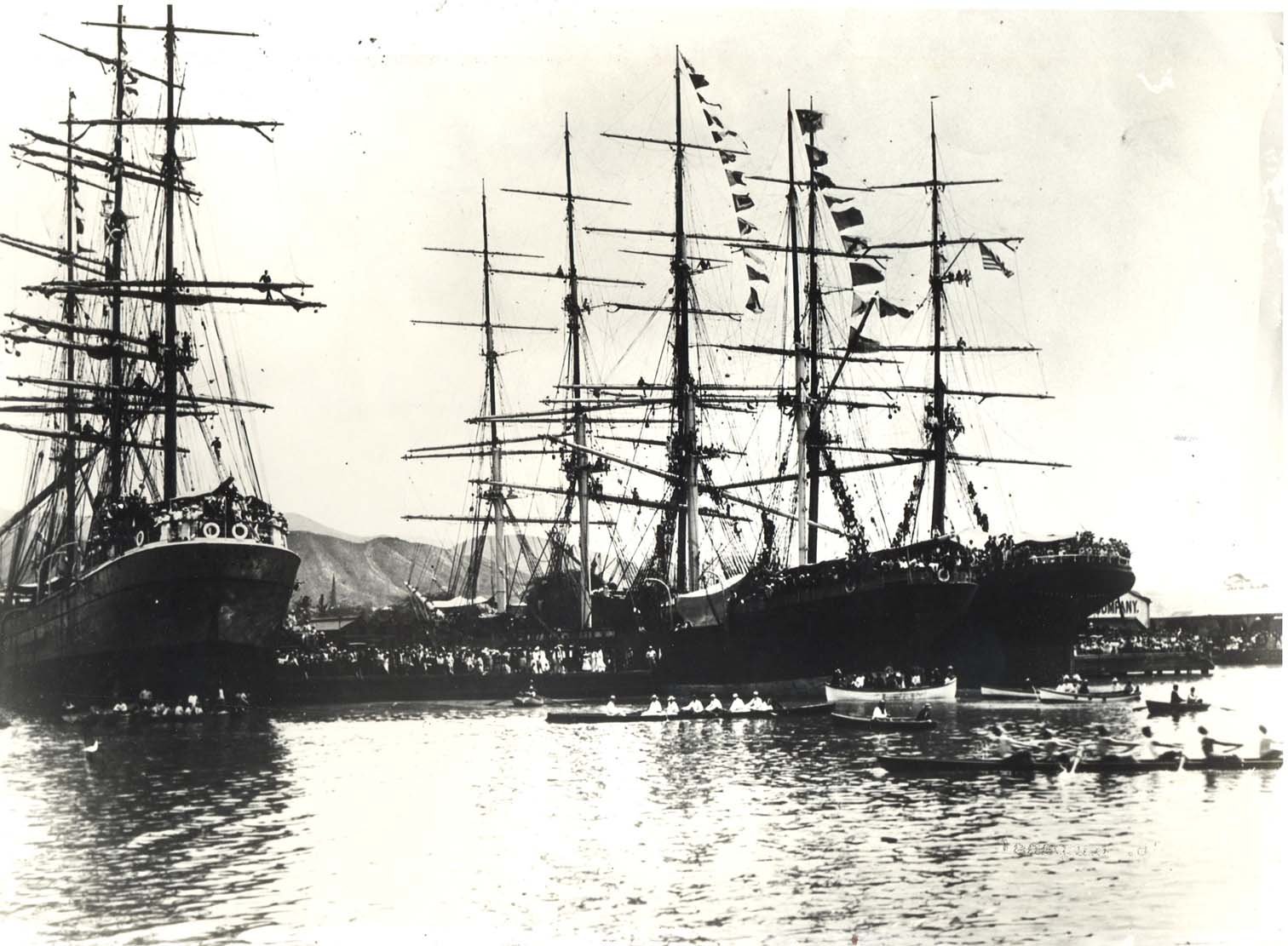
A standalone family history of the Rycroft line — Melanie’s mother’s father’s people — from industrial Leeds to the Peace River homestead that gave its name to a town. It carries two other families with it: the Thommessens of Norway, who join it through a sea-captain’s orphaned daughter, and the Steinkes of the Sexsmith prairie. See the Notes at the end for what stands on record, what stands on the family tree, and what is still being chased.
PrologueThe reach
Leeds → Hawai’i → the Peace Country · 1843 to today
Most families in this larger story were pushed — off a cleared Hebridean croft, out of a famished Donegal townland, away from a Dutch polder drowned in cholera. The Rycrofts are the one family that seems, instead, to have been flung. Every generation lands farther from the last than any reasonable person would have gone: a back-street in industrial Leeds, then the saddle of a U.S. cavalry regiment, then the coffee slopes of Hawai’i, then a quarter-section of bush on the Peace River where the snow lay six months a year. Nobody made them keep going. They simply kept reaching.
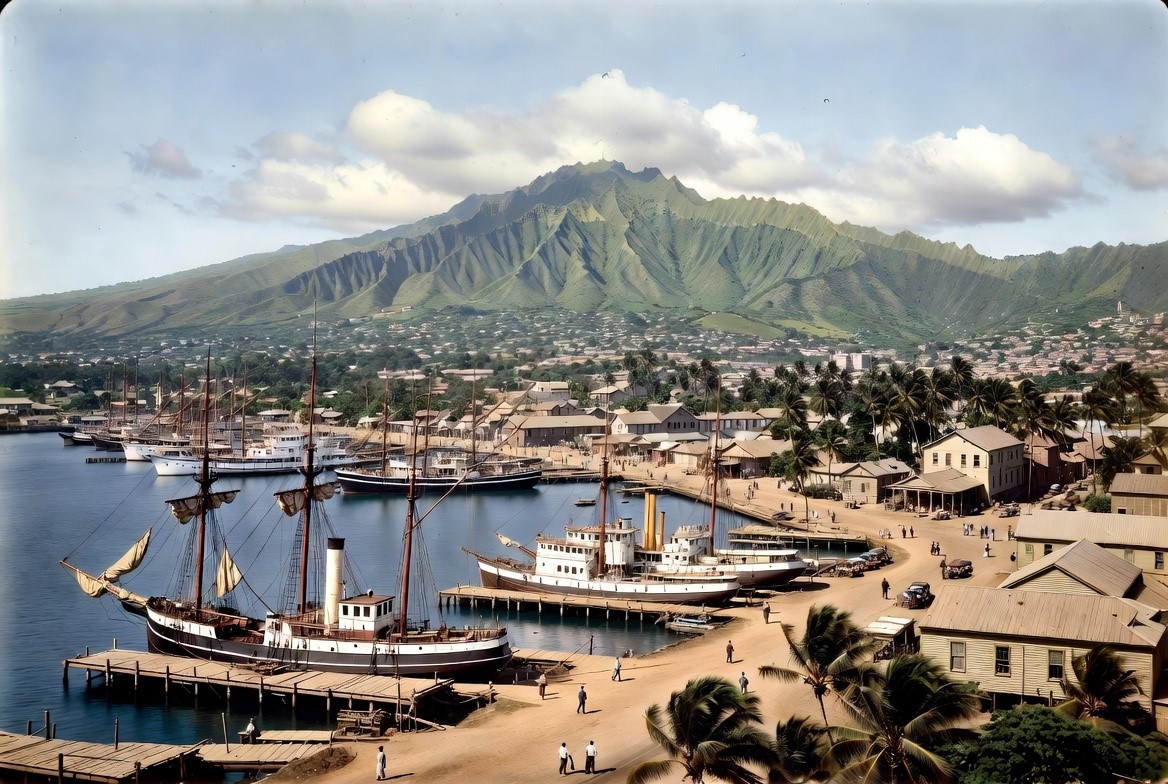
The family word, if the family had one, is the plainest in the language: reach. The sixteen-year-old’s granddaughter’s daughter is raising three children in Grande Prairie who have a Honolulu street and an Alberta town both named after the same family — a coincidence no other family in this book can match.
This is also the most adventurous of the family lines, and the hardest to pin to paper, because adventurers leave gaps. The Hawaiian and Alberta chapters are richly documented: newspapers, obituaries, a town’s own naming story, the family’s own tree. The deepest Leeds origins are thinner, and an earlier attempt to fill them produced a wholly invented English ancestry that this account has thrown out (see the Notes). So the story is told, like the others, in two voices: warm where the record is warm, and careful — probably, the tree says, not yet confirmed — where it is thin.
This is the story of how far one family went, told one crossing at a time.
Chapter OneThe Leeds the family left — James Robert Rycroft, early 1800s
early 1800s · industrial Leeds, Yorkshire
The Rycroft line begins, as far as the family’s own tree can see it, in Leeds in the first decades of the nineteenth century, with a couple recorded as James Robert Rycroft and Eliza Brodgen (the clerks also wrote it Brogden). They are the bottom of the documented tree — and an honest one must say at once that they sit there on the family’s inherited record, not yet on a primary one. The tree gives them a son, Samuel, born in Leeds in 1840, and another, Robert Henry, born 27 April 1843, with the household placed at Whitkirk, a township on the eastern edge of Leeds. Those facts are consistent and plausible; they are not yet nailed to a census page or a parish register. Treat them as the family’s best memory of its own beginning, awaiting the proof (see the Notes).
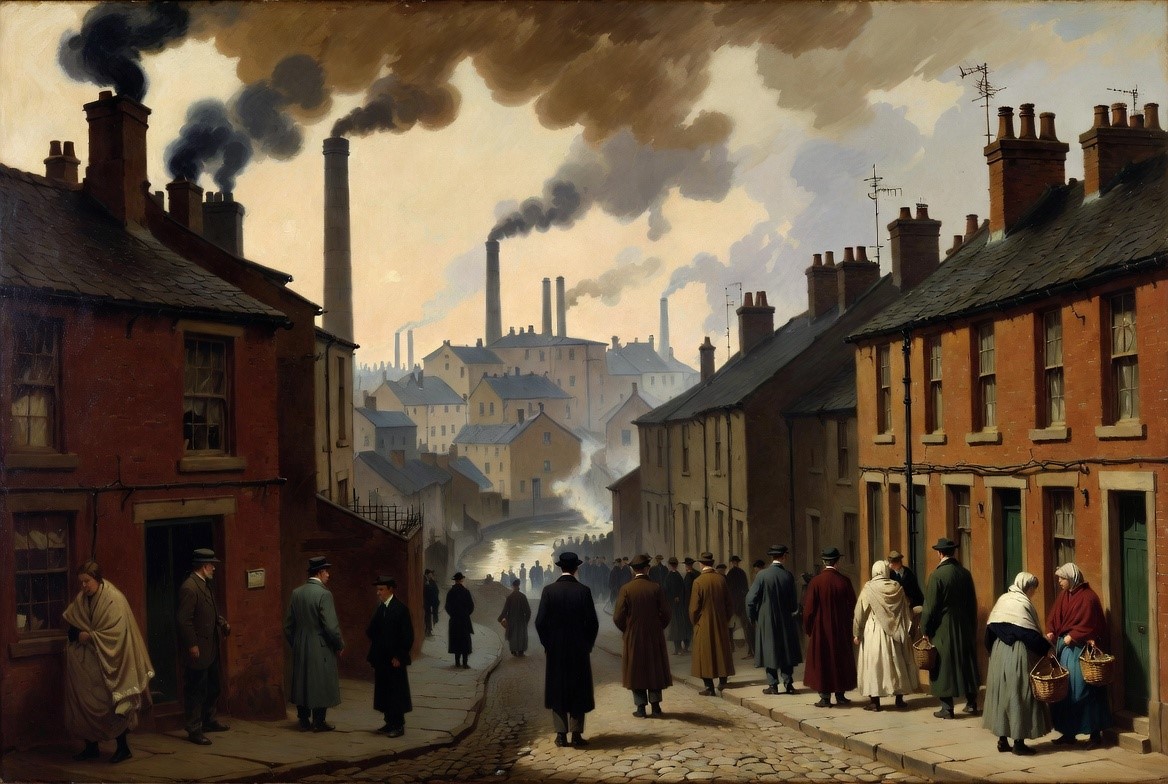
What is not in doubt is the kind of place they lived in. Early-Victorian Leeds was one of the engines of the world — a West Riding city of flax mills and woollen finishing-shops, of foundries and dye-works and back-to-back houses crammed along the Aire, the sky brown with mill-smoke, the river running with the waste of the trades. A Rycroft family on the Whitkirk edge of it lived where the city met the last of the fields, in the churn of people the factories pulled in from the countryside. Learn more about industrial Leeds →
There is a coincidence buried here that no one alive at the time could have seen. A few miles west, in the woollen villages of the Aire valley around Calverley and Idle, another working Yorkshire family was raising children in exactly these decades — the Haistes, clothiers and weavers, whose own line would one day cross an ocean to the very same corner of Alberta. Two Yorkshire textile-belt families, a long day’s walk apart, who never met and never knew the other existed; whose descendants would marry, a hundred and sixty years later, in the Peace Country of Canada. The Rycroft river and the Haiste river both rise in the same Yorkshire rain. They would not join for six generations. Their own crossing is told in the Haiste story →.
And then, around 1859, the Rycroft line did the thing it would do in every generation afterward. A son, Robert Henry, sixteen years old, left Leeds, crossed the Atlantic, and never returned. The family that had been Yorkshire for as long as anyone could remember began, with that one boy’s passage, to come apart from England for good.
Chapter TwoRobert Henry Rycroft Sr. (1843–1909) — the reach across the world
1843–1909 · Leeds → the U.S. Cavalry → Honolulu & Puna
If the family has a founding adventurer, it is this man. A Honolulu newspaper printed much of his life while he was alive.
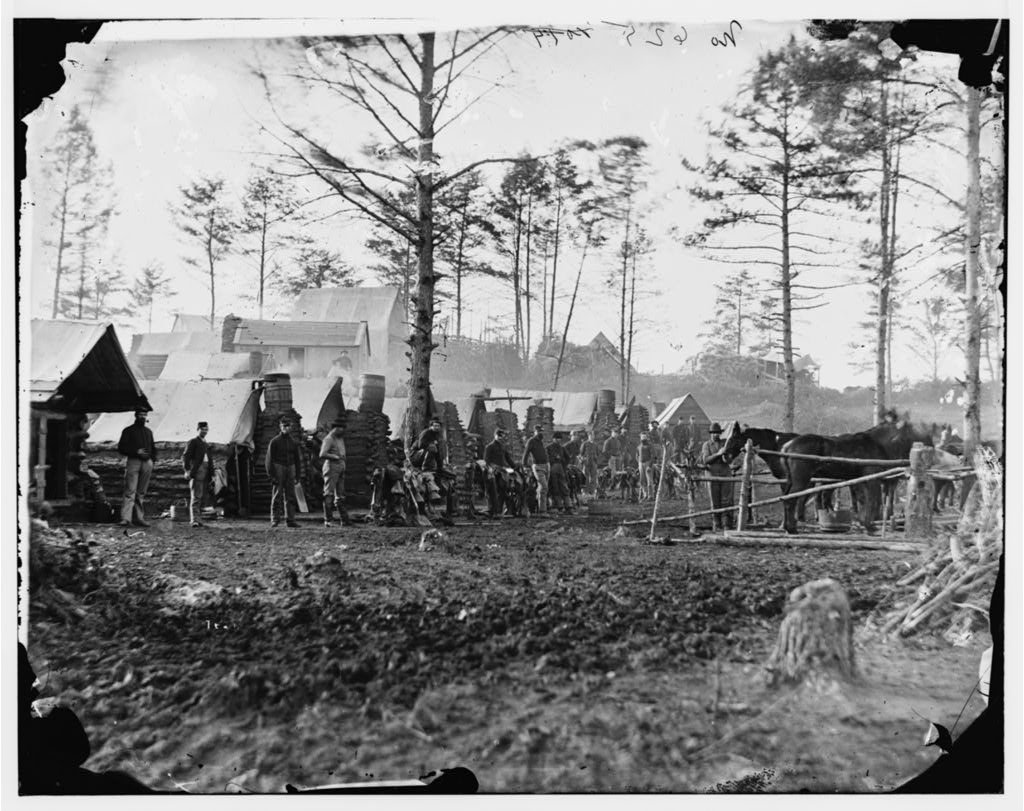
Robert Henry Rycroft was born in Leeds on 27 April 1843. At sixteen he emigrated to the United States. And there, into the bargain, he did something almost no English emigrant boy did: he joined the cavalry and rode in the American Civil War — about sixteen months in the saddle, by the account preserved in his obituary and the Hawaiian histories. (Which regiment, and on which side, no muster roll has yet been found to say; it is one of the open chases in the Notes.) A Leeds teenager who had been in America only a year or two found himself in the largest war the continent had ever seen. Learn more about the cavalry of the American Civil War →
When the war let him go, he did not go home to Yorkshire. He went farther — to the Kingdom of Hawai’i, then an independent island monarchy in the middle of the Pacific, and he arrived among the small, busy community of English-speaking tradesmen building its modern economy. He worked first at the Honolulu Iron Works, then made plumbing his trade; he ran the Fountain restaurant and a temperance saloon on Fort Street; he even spent an interlude in Brisbane, Australia, where he is credited with erecting the colony’s first ammonia ice machine. The man could not stand still. Learn more about the Hawaiian Kingdom →
In 1872 he married — and the marriage tied the Rycrofts into the colonial establishment of the islands. His wife was Elizabeth P. Campbell, the sister of A.N. Campbell, Treasurer of Hawai’i (later an officer of the Henry Waterhouse Trust Company in Honolulu). Their first child, a son they named Henry, was born that same year. (This Campbell is a Hawai’i-Scottish family of the territorial business class — no relation to the Hebridean Campbells of South Uist who come down to these same children from Thomas’s side. Two unrelated Campbells, one Pacific and one Atlantic, in one family tree.)
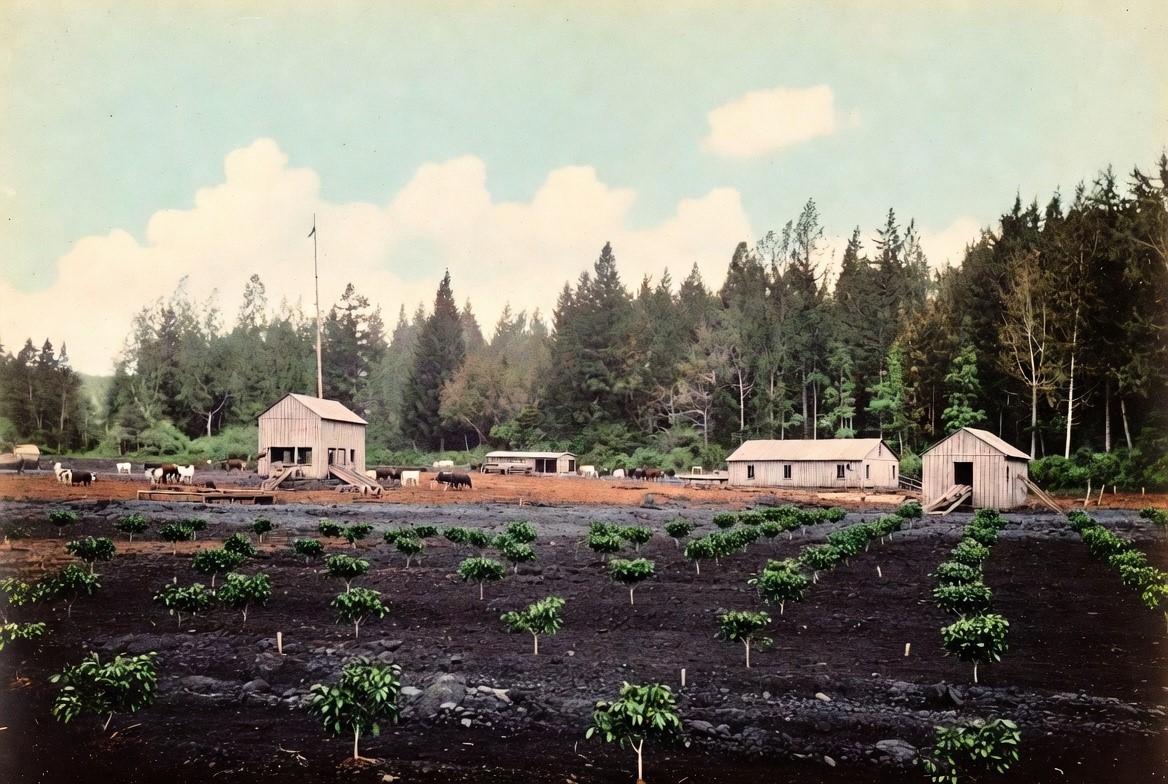
Then he moved again — this time to the Big Island. From about 1877 to 1899 Robert Henry Rycroft was a pioneer of the Puna district: he bought the Pohoiki and Keahialeka tracts, some nine thousand acres of lava-country, ran cattle and an ‘awa trade, built a sawmill at Pohoiki that supplied hardwood to Honolulu by schooner, and, most lasting of all, became one of the first men in Hawai’i to cultivate coffee on a large scale, building a coffee mill in 1891. He was, in the plainest sense, a frontiersman in the tropics: clearing, planting, milling, shipping, on ground that had been forest and lava a generation before.
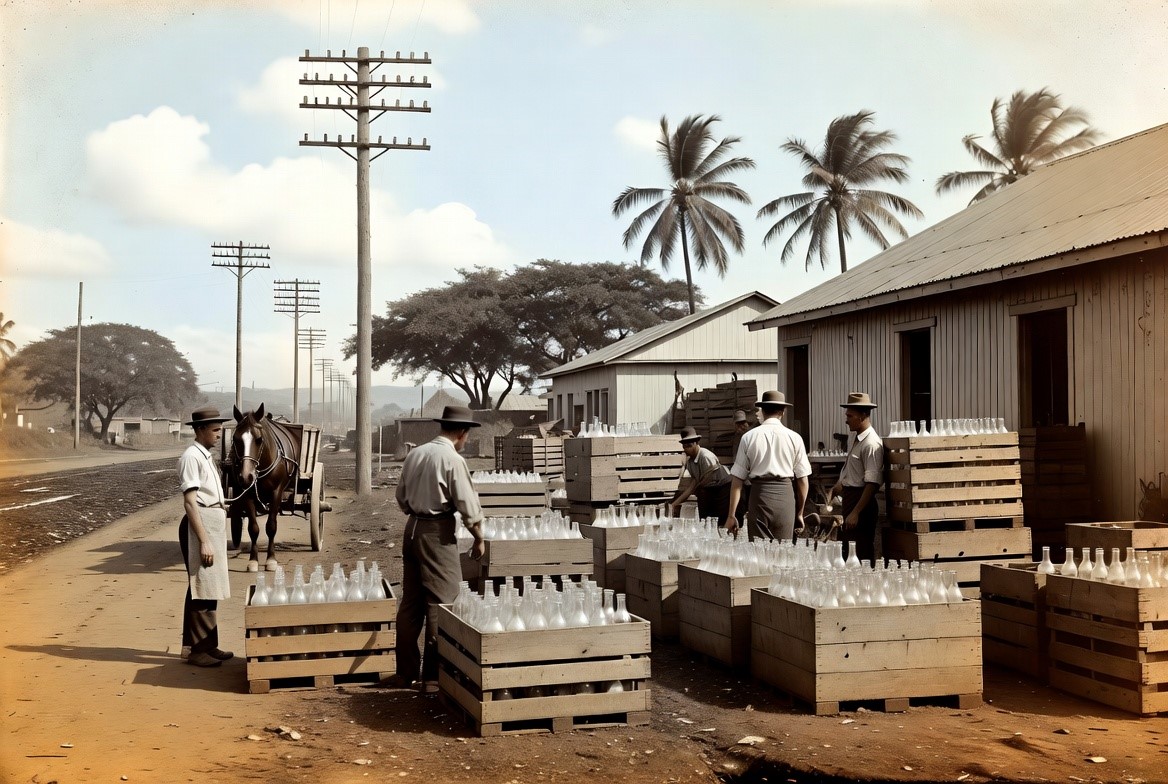
In 1899 he came back to Honolulu and started the Fountain Soda Works, on the old baseball-ground property in what is now the Sheridan tract — and the city remembers him still, because the street that runs through that ground is Rycroft Street, Honolulu, named for the family and its soda works. He died in Honolulu on 3 February 1909, called in his obituary one of the oldest residents of the Hawaiian Islands. He and Elizabeth had raised at least five children whose names survive: sons Henry, Mark, and Walter, and daughters Sophia and Gladys — a Hawaiian-born generation who would scatter as far as their father had gone. Mark Alexander would die in Edmonton, Gladys in California, and Henry, the eldest, would carry the line to the Peace River.
Chapter ThreeRobert Henry Rycroft (1872–1944) — the islander who chose the frontier
1872–1944 · Honolulu → the town of Rycroft, Alberta
The eldest son carried his father’s whole name and, it turned out, his father’s restlessness. Robert Henry Rycroft was born in Honolulu on 9 May 1872, the year his parents married — a child of the soda works and the coffee lands, who grew up among the ships of many nations in a harbour town in the last decades of the Hawaiian Kingdom. He took up the family trade; for some years he ran the soda business his father had built, and later styled himself an importer and commission agent, moving goods across the Pacific.
He might have stayed an islander all his life. Instead, in his thirties, he reached one more time — and chose, of all the places on earth, the cold opposite of everything he had known.
In 1906 he met a young Norwegian woman, Helene Thommessen, who was in Honolulu (she has a chapter of her own). They were together by 1909, when their first son, Eric, was born; they married in Honolulu on 29 June 1911. (The son’s birth two years before the recorded marriage is a real wrinkle the records have not yet smoothed — see the Notes; the family simply held both dates and moved on.) For their honeymoon they travelled up through British Columbia — and there, far from the tropics, they heard about the Peace River Country of northern Alberta, where the Dominion was throwing open free homestead land at the very end of the continent’s frontier. Learn more about homesteading the Peace River Country →
A man born under palm trees did not have to want a quarter-section of frozen bush eight thousand kilometres north. Robert Henry Rycroft wanted it. By 1912 he and Helene had registered two parcels near Spirit River — SW 25-78-6-W6 in his name, the east half of 26 in hers — and the family left Hawai’i for good, trading the harbour of Honolulu for a sod-and-log frontier where the nearest railhead was days away.
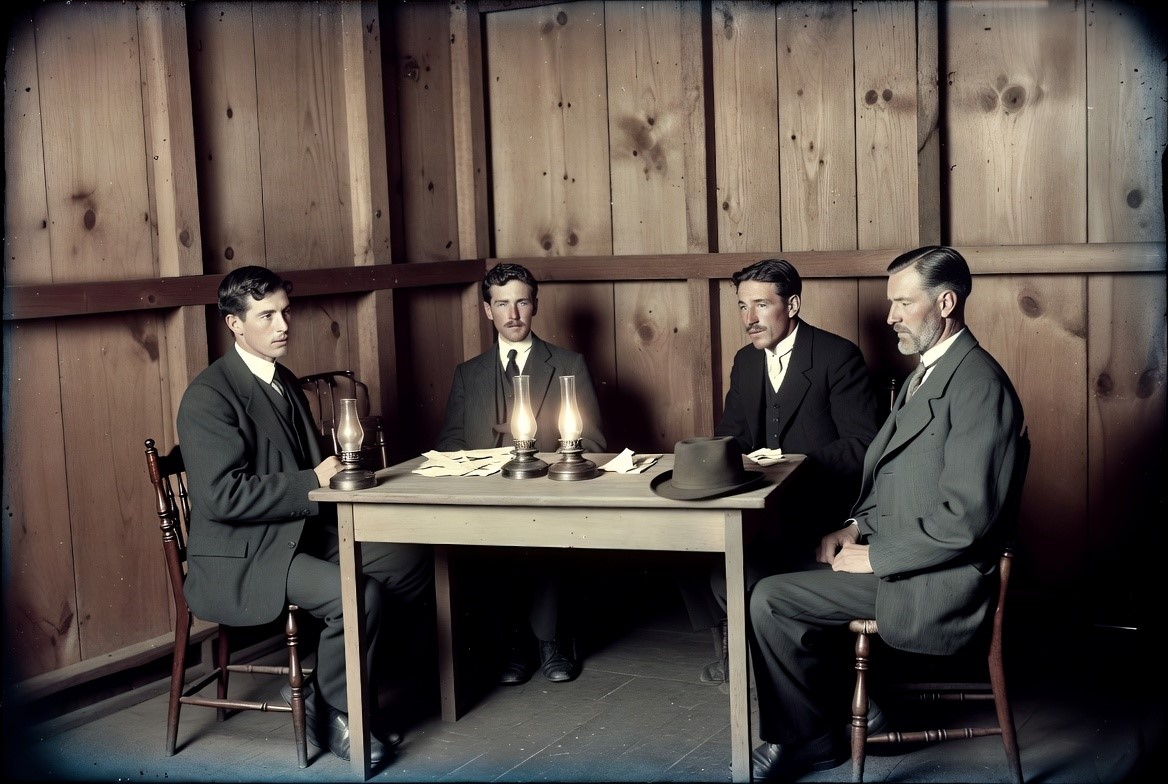
They threw themselves into building the place. The very first meeting of the Spirit River Rural Municipality was held in the Rycroft home on 2 January 1917; Robert Henry served as its secretary-treasurer, sat on the school board, and was a Justice of the Peace for many years. And in 1920, when the district that had split off from Spirit River needed a name, four pioneers — R.H. Rycroft, W.S.O. “Billy” English, H.E. “Doc” Calkin, and George Garnett — wrote their names on slips of paper, dropped them in a hat, and drew one out.
The slip said Rycroft.
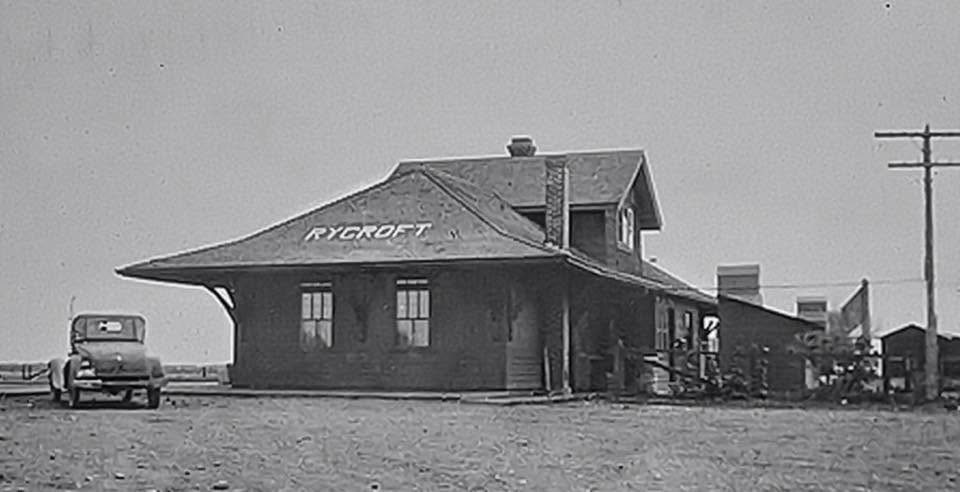
So the family that had a street in Honolulu now had a town on the Peace — the town of Rycroft, Alberta, about 25 km northwest of Sexsmith, still on the map today. Learn more about the town of Rycroft, Alberta → (For some fourteen years the post office misspelled itself “Roycroft,” until the Board of Trade got it corrected in 1933 to match the railway’s spelling. And local history is firm that the town honours this R.H. Rycroft, the frontier Justice of the Peace — not, as one outside guess has it, an unconnected English baronet; see the Notes.) Robert Henry Rycroft died at Sexsmith on 30 March 1944, aged seventy-one, and was buried at Teepee Creek. The islander had become, in the end, the founding settler of a prairie town.
Chapter FourHelene Thommessen (1885–1958) — the sea-captain’s orphan
1885–1958 · Larvik, Norway → Honolulu → the Peace
The woman who crossed the Pacific to marry into the Rycrofts was alone almost from birth.
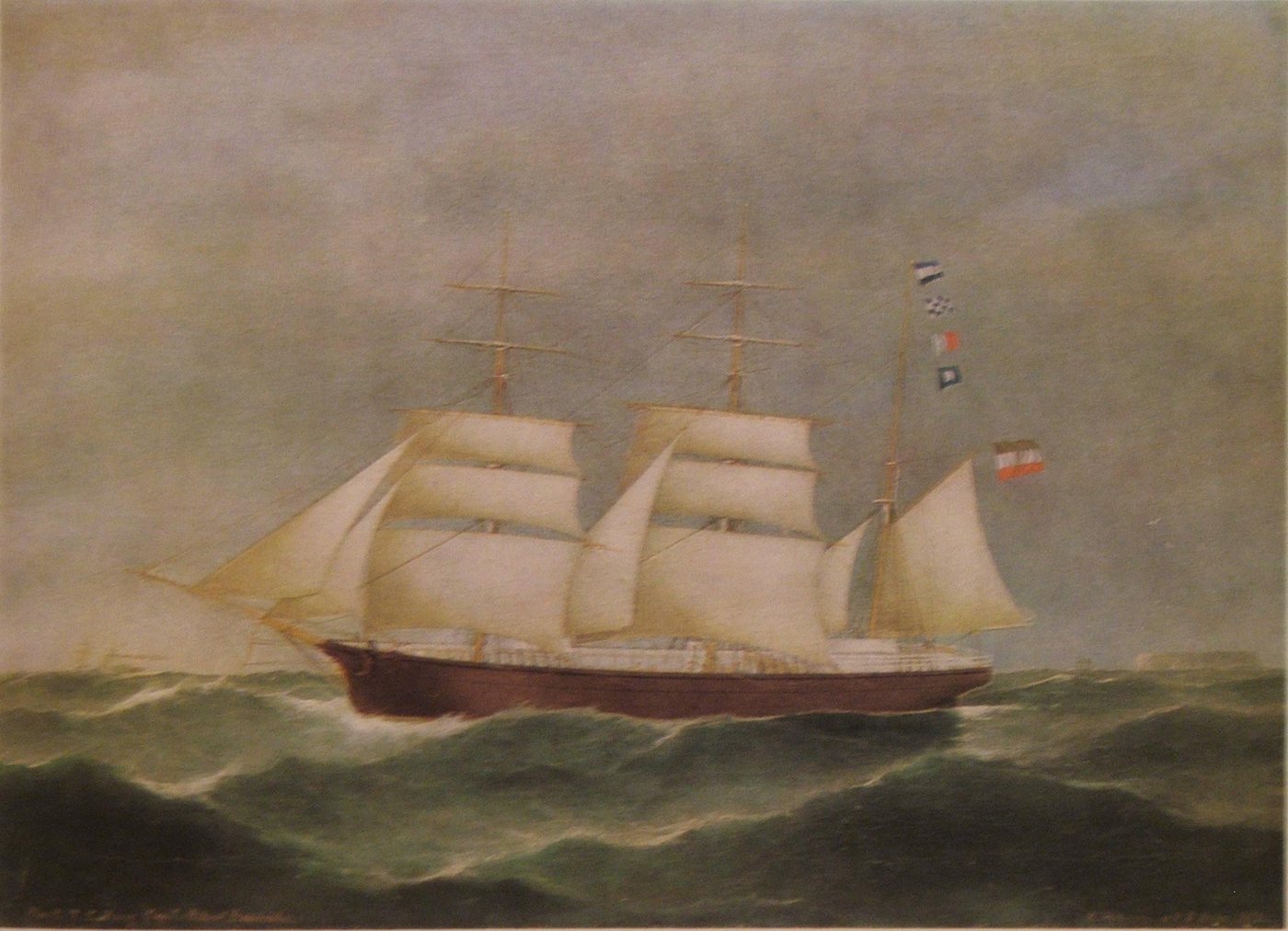
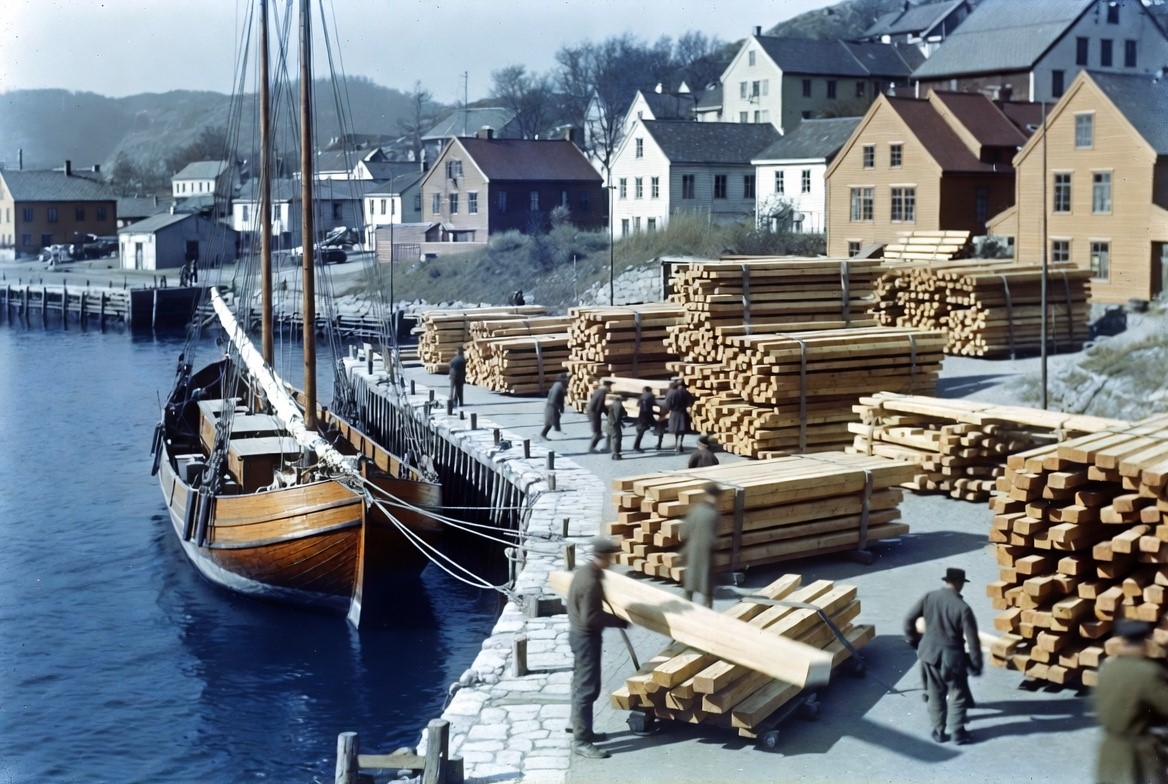
Helene Lovise Christiane Thommessen was born on 28 February 1885 in Larvik, a sailing, whaling, and timber port on the Vestfold coast of southern Norway. Her father was a ship’s captain, Theodor Thommessen Holtan, born at Borre in 1854, master of the barque Vanadis. Her mother was Helene Lovise Juel, of a family rooted around Nykirke and the Drammen fjord. The child was named for her mother — and lost her almost at once: Helene Lovise Juel died in 1885, the same year her daughter was born. Four years later, in 1889, Captain Thommessen died of yellow fever in the port of Santos, Brazil, half a world from home, on the kind of voyage that had kept him away her whole short life with him. By the age of four, Helene was an orphan — a sea-captain’s daughter with a dead mother, a father buried in South America, and a brother, Thomas, two years older than she was. Learn more about Larvik →
How a Norwegian orphan girl from Larvik came to be standing in Honolulu by 1906 is the single thing about her the records have not yet given up. The likeliest road ran through the great Norwegian sea-and-emigrant networks (out across the Atlantic, on west to the Scandinavian communities of the American Pacific Northwest, and from there by ship to the islands), but the passenger lists that would prove it have not been found. What is certain is the arrival: somewhere in that harbour town the captain’s orphaned daughter met the soda-maker’s restless son, and the two of them, each carrying an ocean behind them, decided to push on once more — together, north, to the Peace.
She would live a long Alberta life after all the leaving. Helene Rycroft died at Grande Prairie on 28 July 1958 and was buried beside her husband at Teepee Creek, three-quarters of a century and a full circumnavigation away from the Larvik quay where she began. Through her, a strain of Norwegian seafaring runs in three children in Grande Prairie who have never seen the North Sea.
Chapter FiveThe quiet generations — Eric, Sam, and Bette, 1909–2025
1909–2025 · Teepee Creek & Sexsmith · the quiet generations
The first child of Robert Henry and Helene was Eric Jarman Rycroft, born in Hawai’i on 30 January 1909 — which made him, all his long Alberta life, the man with the magical fact at the family table: born in Honolulu. He had no memory of it; he was a small child when the family went north in 1912, and he grew up among the snowdrifts and stooks of Teepee Creek. He became a Peace Country farmer, plainly and for good. On 26 November 1933, at Sexsmith, he married Laureta Maude Janette Clark, born across the line at Centralia, Washington, in 1911, and together they raised a large prairie family: among them Geneva Maude (1934), Samuel Eric John (“Sam,” the one through whom this line comes down, 1935), and Dennison (1937). He died at Teepee Creek on 4 January 1993, aged eighty-three.
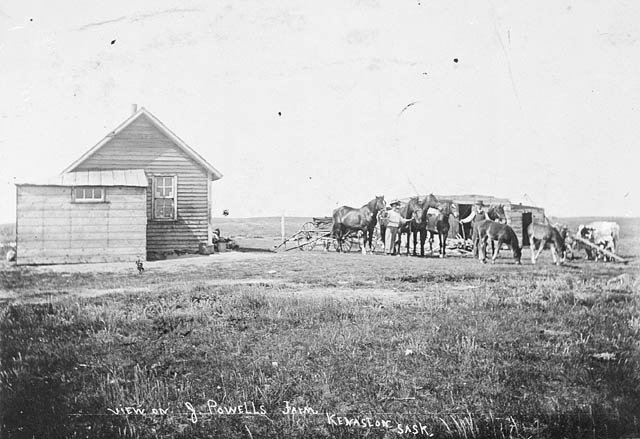
Sam was born at Sexsmith on 15 July 1935, in the depths of the Depression. He grew up on the Teepee Creek land and stayed — a working Alberta man of his generation, near the ground his grandfather had named a town beside. On 30 October 1959, at Sexsmith, he married Bette Doreen Steinke — and with her a new family river joins the Rycroft one.
Bette was born at Sexsmith on 26 April 1942, the fourth child of Henry and Martha Steinke, a German Lutheran family of the Sexsmith district. Where Henry and Martha’s people came from — back to an 1858 parish marriage in central Poland — is told in the Steinke story.
Sam and Bette raised four children in the Grande Prairie country: Lorne (1960), Lana (1961), Vance (1963), and Clark (1965). Sam died at Badheart, Alberta, on 23 July 2015; Bette, ten years later, at Grande Prairie, aged eighty-two. They share a stone in the Peace Country ground.
The Living LineWhere the Rycroft river joins the others
Grande Prairie · the confluence of five families
Long stories always have a moment when they come to an end — but some great stories don’t get their start until the old one ends and the time has come to transition to the new.
The Rycroft descent
- The bottom of the documented tree — held probable: not yet nailed to a census page or a parish register
- Early-Victorian Leeds: flax mills, dye-works, back-to-backs along the Aire, the sky brown with mill-smoke
- An invented Essex ancestry once grafted below them has been thrown out — the honest deep root is Leeds, and no further
- Left Leeds at sixteen, around 1859, and never came back
- Rode in the American Civil War — about sixteen months in the cavalry; which regiment, and which side, no muster roll has yet been found to say
- A pioneer of Puna on the Big Island — nine thousand acres, cattle, a sawmill, and one of Hawai’i’s first large-scale coffee plantings
- Founded the Fountain Soda Works in 1899 — Rycroft Street, Honolulu, still runs through the old ground
- Elizabeth was the sister of A.N. Campbell, Treasurer of Hawai’i — no relation to the Hebridean Campbells on Thomas’s side
- Born Honolulu 9 May 1872 — carried his father’s whole name, ran the soda works, then chose the cold opposite of everything he knew
- Homesteaded near Spirit River by 1912 — one quarter in his name, the east half-section beside it in Helene’s
- In 1920 four pioneers drew the new district’s name from a hat — the slip said Rycroft
- Helene, a sea-captain’s daughter of Larvik, Norway, was orphaned by four; how she reached Honolulu by 1906 is the one missing link
- Both buried at Teepee Creek — he in 1944, she in 1958
- Born in Hawai’i 30 January 1909 — all his Alberta life, the man with the magical fact at the family table
- Born two years before his parents’ recorded marriage — a wrinkle the records have not yet smoothed, set down as fact
- Married Laureta Clark of Centralia, Washington, at Sexsmith, 26 November 1933
- Died at Teepee Creek, 1993 — the last who could say he was born under the old Hawaiian sky and broke Alberta snow with his own boots
- Born Sexsmith 15 July 1935, in the depths of the Depression — and stayed, near the ground his grandfather had named a town beside
- Married Bette Doreen Steinke at Sexsmith, 30 October 1959 — her Sexsmith-prairie people are traced three more generations in the Steinke story
- Sam died at Badheart in 2015; Bette in 2025, at eighty-two — they share a stone in the Peace Country ground
- Born Grande Prairie 29 September 1961, the second of Sam and Bette’s four
- Married Dan Haiste of the Yorkshire-and-prairie Haistes; worked hard and loved her girls through a fast-changing northern Alberta
- Died too soon, in the same hard year 2015 that took her father
- Faith carries her name — Faith, a child Lana did not live to meet
- Married 2 July 2016 in Calgary
- The parents of Patience, Daniel, and Faith
- Born 2013, 2015, and 2017, all in Grande Prairie
- Heirs of all eight family lines — the confluence this whole site is built around
The line comes down through Sam and Bette’s daughter, Lana Lyn Rycroft, born at Grande Prairie on 29 September 1961. Lana married Dan Steven Haiste, of the Yorkshire-and-prairie Haistes, and they raised two daughters, Misty and Melanie. She died too soon, at Edmonton on 7 May 2015 — the same hard year that took her father Sam. She is the bridge between the old Rycroft story and the living one, and the family carries her gently.
Her daughter is Melanie Lyn Haiste, born at Grande Prairie on 25 May 1983 — and in Melanie four families meet: the Haiste line out of the Yorkshire tanneries and the Saskatchewan dust through her father Dan, and through her mother Lana the Rycroft, Steinke, and Thommessen lines, gathered into one woman.
Melanie and Thomas Cheesman (married in Calgary on 2 July 2016, and the parents of three children) pass everything they carry, jointly, to those three, raised in Grande Prairie:
- Patience, born 24 September 2013
- Daniel, born 30 June 2015
- Faith, born 30 March 2017
A group of siblings now carry the inherited torch forward — and no doubt one of their own will, one day, take up the same torch and keep walking through life. And the Rycroft current does not arrive alone. It is one of several now running in a single household: the Lakeman and the Docherty and the Hebridean McIver, Campbell, and Cameron lines through their father Thomas, the Haiste and the Rycroft lines through their mother Melanie, and the Cheesman name — chosen, not inherited — that gathers them all.
None of the Rycrofts who went so far could have pictured these three. The Leeds boy who sailed at sixteen could not have imagined Hawai’i; the soda-maker’s son could not have imagined the Peace; Helene, orphaned in Larvik, could not have imagined dying old under an Alberta sky among grandchildren who would never see the sea. But there is one quiet thing they would recognise, if they knew it. The youngest of the three children is named Faith — and Lana Lyn is her grandmother’s name, carried forward into a child Lana did not live to meet. The line that always reached outward reached, this last time, back — to keep a name.
That is what reach was always for.
Lineage at a glance
| Generation | Name | Born | Died | Place of life | Confidence |
|---|---|---|---|---|---|
| 1 | James Robert Rycroft & Eliza (Brodgen) Rycroft | early 1800s | — | Leeds (Whitkirk), Yorkshire | Probable — family-tree lead; not yet primary-confirmed |
| 2 | Robert Henry Rycroft Sr. | 27 Apr 1843 | 3 Feb 1909 | Leeds → U.S. (Civil War) → Honolulu & Puna, Hawai’i | Verified — Hawaiian newspapers / 1909 obituary; Images of Old Hawaii |
| 2 | Elizabeth P. (Campbell) Rycroft (wife) | c. 1850 | after 1909 | Hawai’i | Verified (relationship) — sister of A.N. Campbell, Hawai’i Treasurer (1909 obituary) |
| 3 | Robert Henry Rycroft | 9 May 1872 | 30 Mar 1944 | Honolulu → Spirit River / Rycroft, Alberta (bur. Teepee Creek) | Verified — family tree; town-naming histories |
| 3 | Helene Lovise Christiane (Thommessen) Rycroft (wife) | 28 Feb 1885 | 28 Jul 1958 | Larvik, Norway → Honolulu → Peace Country (bur. Teepee Creek) | Verified (vitals) / Probable (Norwegian parents) |
| 4 | Eric Jarman Rycroft | 30 Jan 1909 | 4 Jan 1993 | Hawai’i → Teepee Creek, Alberta | Verified — family tree; FamilySearch |
| 4 | Laureta Maude Janette (Clark) Rycroft (wife) | 29 Apr 1911 | 2 May 1987 | Centralia, Washington → Teepee Creek | Verified — family tree |
| 5 | Samuel Eric John “Sam” Rycroft | 15 Jul 1935 | 23 Jul 2015 | Sexsmith → Badheart, Alberta | Verified / Living memory |
| 5 | Bette Doreen (Steinke) Rycroft (wife) | 26 Apr 1942 | 19 Jan 2025 | Sexsmith → Grande Prairie | Verified — obituary (parents Henry & Martha Steinke) |
| 6 | Lana Lyn Rycroft | 29 Sep 1961 | 7 May 2015 | Grande Prairie → Edmonton | Verified / Living memory |
| 6 | Dan Steven Haiste (m. Lana) | 10 May 1959 | — | Grande Prairie | Living memory |
| 7 | Melanie Lyn Haiste | 25 May 1983 | — | Grande Prairie | Living memory — carries Rycroft / Steinke / Thommessen + Haiste |
| 7 | Thomas Cheesman (m. Melanie, 2016) | 4 Nov 1981 | — | Calgary → Grande Prairie | Living memory |
| 8 | Patience | — | — | Grande Prairie | Living memory |
| 8 | Daniel | — | — | Grande Prairie | Living memory |
| 8 | Faith | — | — | Grande Prairie | Living memory |
Confidence tiers: Verified — anchored to at least one primary or contemporary record (newspaper, obituary, civil registration, the family bible/tree where it agrees with a record). Probable — rests on the family tree, consistent but not yet primary-confirmed. Living memory — recent enough to be remembered directly by family.
Side-branches named in the records but off the direct line: Robert Henry Rycroft Sr.’s other Hawai’i-born children — Mark Alexander (1878 Honolulu – 1955 Edmonton), Walter, Sophia, and Gladys (c. 1890 – 1990, California); the 1872 son’s other children with Helene — an infant Elizabeth (1912), Robert Henry (1913–2003), and Theodore Alexander (1915–1957), whose many descendants fill the Peace Country today; Eric and Laureta’s other children alongside Sam — Geneva Maude (1934–2019), Dennison (1937), and their siblings; Sam and Bette’s other children alongside Lana — Lorne, Vance, and Clark; and Melanie’s sister Misty Dawn. R.H. Sr.’s brother Samuel Rycroft (b. 1840, Leeds) stands at the head of the line. The line that reached from a Leeds back-street to Honolulu and home again ends, for now, at the foot of this table — three Peace Country children, the Rycroft reach handed on with the seven lines that meet it there, under the chosen Cheesman name.
Notes on the records
The Rycroft line is, oddly, best-documented in its most exotic middle — the Hawaiian decades — and thinnest at its English root. That is the opposite of most families, and it is because the middle generation was newsworthy (a coffee pioneer, a soda-works founder, a town’s namesake) while the Leeds beginning was ordinary and poor. The story is solid from Hawai’i forward; the deep Yorkshire origin is the work that remains.
Key records still needed
In rough order of value:
- The 1851 (and 1841) England census for Whitkirk / Leeds, and the Leeds baptisms of Robert Henry (1843) and Samuel (1840) — to turn the parents James Robert Rycroft & Eliza Brodgen from a tree lead into a verified fact, and to push the Yorkshire line back further.
- Robert Henry Rycroft Sr.’s U.S. Civil War record — the regiment, the side, the enlistment. Sixteen months in the cavalry ought to leave a muster roll or a pension file (try the variants Rycroft / Roycroft / Rycraft).
- Helene Thommessen’s Larvik baptism (1885) in the Norwegian Digital Archives, and her emigration/route to Hawai’i by 1906 — the one missing link in an otherwise vivid story.
- The Campbell family of Hawai’i — A.N. Campbell (the Territory’s Treasurer) and his sister Elizabeth’s own origins; and the primary Honolulu marriage record (trees say 21 August 1871; the obituary says 1872).
- The Steinke line’s remaining chase — now traced three generations back to an 1858 parish marriage in central Poland (told in full in the Steinke story); what is left to pull is Bette’s 1959 Sexsmith marriage record, which would confirm Martha Gouchey’s parents and the Lana → Melanie chain.
Notes
A discarded false ancestry. An earlier AI-generated family keepsake invented a deep English line — “Rycraft” of Little Bentley, Essex, running back to the early 1700s (a Thomas, a Jacob, a Robert & Mary Smyth). None of it is in the family tree, and it has been discarded. It appears to be an unrelated real Essex family grafted on to fill a gap. The honest deep root of this family is Leeds, not Essex; everything before Robert Henry Rycroft Sr. (b. 1843 Leeds) is, for now, the probable Leeds couple and no further.
The Hawaiian chapter is unusually well-sourced for a family history — through the Hawaiian Star obituary of 3 February 1909, the Pacific Commercial Advertiser (9 March 1900) on the family’s return from Puna, the standard reference Place Names of Hawaii on Rycroft Street, and the “Images of Old Hawaii” historical synthesis. The Puna land, the coffee mill, the soda works, the Iron Works, the Campbell marriage, and the children’s roster all rest on these contemporary sources.
The two Robert Henrys. Family memory had compressed father and son into one figure — the “Robert Henry Rycroft, born 1872, who ran a sugar and coffee plantation.” The records separate them: the coffee, cattle, and sawmill empire of Puna belonged to the father (1843–1909); the son (1872–1944) ran the Honolulu soda works and then became the Alberta settler and town namesake. Both are real; the enterprise was the father’s, the homestead the son’s.
The town-name question — settled in the family’s favour. Local histories by Eric J. Rycroft and George Potter, and the contemporary record, credit the town of Rycroft to R.H. Rycroft the settler (the hat-draw of 1920). An outside guess attributing it to a British baronet does not hold up — the Rycroft baronetcy (of Calton, Yorkshire) has no documented connection to the Peace Country, and the local sources are unanimous.
The 1909-before-1911 gap. Eric’s birth (30 January 1909) precedes his parents’ recorded marriage (29 June 1911) by more than two years. The records do not yet explain it — an earlier informal union, a delayed or re-entered registration, or simple period record-keeping are all possible. It is set down here as fact, not smoothed over.
Where the line is solid. From the Hawaiian generation forward — Robert Henry (1872), Helene, Eric, Sam and Bette, Lana, and the living family — the story rests on the family’s own well-kept tree, contemporary records, obituaries, and living memory. The work that remains is almost all on the far side of the ocean: in Leeds, in Larvik, and in the German parish the Steinkes came from.
This is a working draft, built on the family tree, the Hawaiian contemporary record, and a verified Steinke obituary, with the open chases named above. It will be revised as the Leeds, Larvik, and Steinke records give up more of what they hold. The aim is the family’s: confident where the evidence is strong, honest where it is thin, and never tempted to fill a gap with a guess dressed up as a fact.
Last updated
Download this story as a keepsake PDF
Next line → The Steinkes — family line 07 of 08