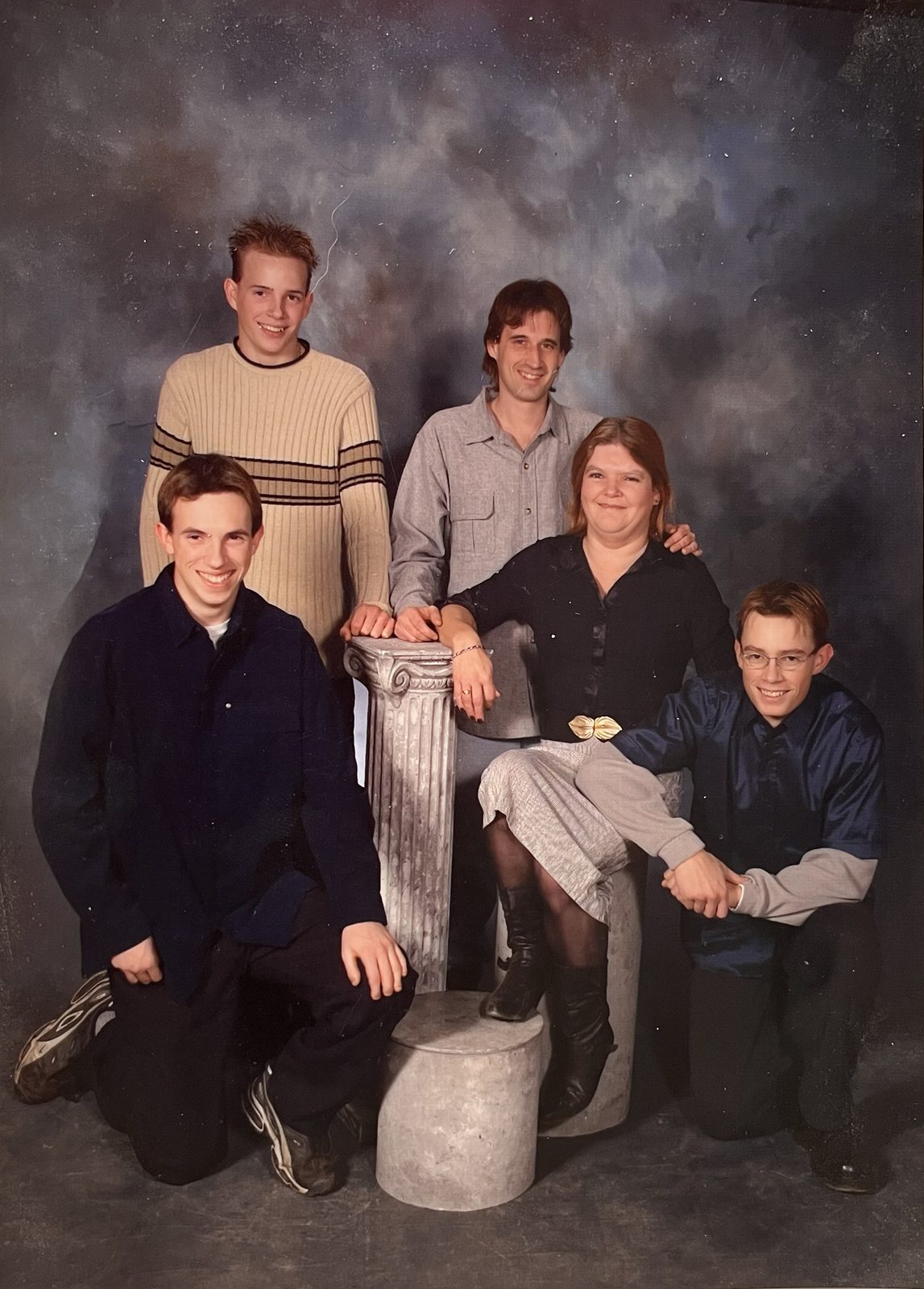
The Cheesmans are a small, newer sprout. Where the other seven lines run for centuries, this one is barely three generations deep, and half of it is a closed door. It’s thin on ancestry and thick on life, because it’s the one chapter I lived from the inside. The name didn’t come down a bloodstream — it came across a kitchen table: a name my family married into when I was a kid, that I made my own as a man, and have now handed to three children of my own. This is the chosen channel: the one current in the family carried by choice instead of descent.
PrologueThe chosen channel
No, I don’t know any actual cheese makers. No, you’re not the first to make the joke. Yes, I love cheese — just not the processed, plastic-wrapped kind.
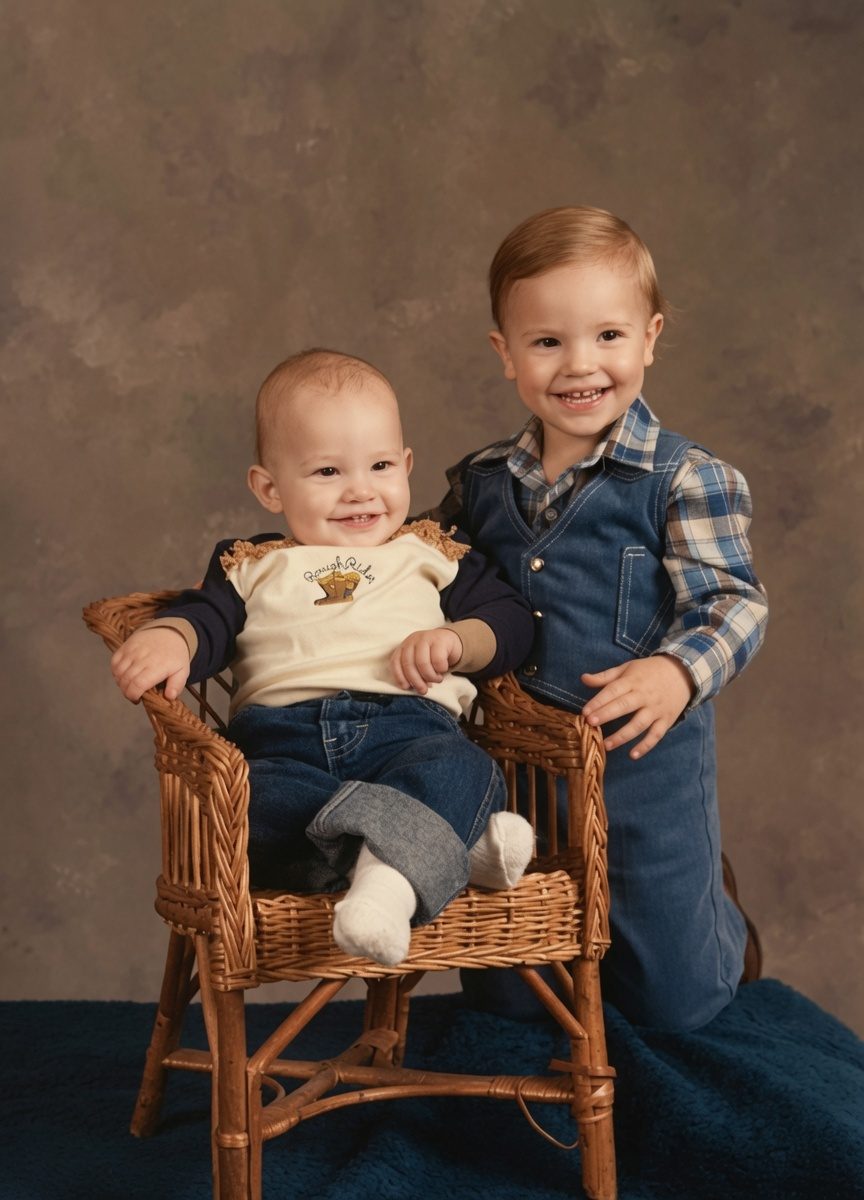
Every other line in this family is a river, water finding its way down the centuries by the pull of blood. Mine is the one stretch that was dug by hand: a canal, not a river. There isn’t a drop of Cheesman blood in me. My father by blood was a Lakeman; the Docherty and Hebridean currents came through my mother. Cheesman is the name my family took in 1991, when I was ten and my mother married a young man named Brian Cheesman — and it’s the name I made formally, legally my own at twenty, in 2001. Either way, it’s a name I chose, not one I was born to, and it’s the one my kids carry now.
That’s the whole point of this line, so I’ll say it plainly: a family isn’t only the people you descend from. It’s also the people who show up, build fences beside you, raise the same animals, and eat at the same table until the word family just becomes true. The Cheesmans are that kind of family. The record of them is thin, and what sits behind my grandfather is a door that was shut on purpose — but the part I can tell, I’ll tell, because I lived it.
Chapter OneTurner Valley — the fire on the ceiling
We all came from Turner Valley, the little town in the Alberta foothills southwest of Calgary where, in 1914, the first natural gas in the province came roaring out of the ground. A century later it was still coming up — and still being flared off, a flame standing in the open air day and night. As a kid I could see its glow from a distance, dancing on my bedroom walls and ceiling the way candlelight does. I called it my fire. It’s a fitting thing for this family to start beside, because oil and gas would run through all of it. Learn more about the Turner Valley gas field →
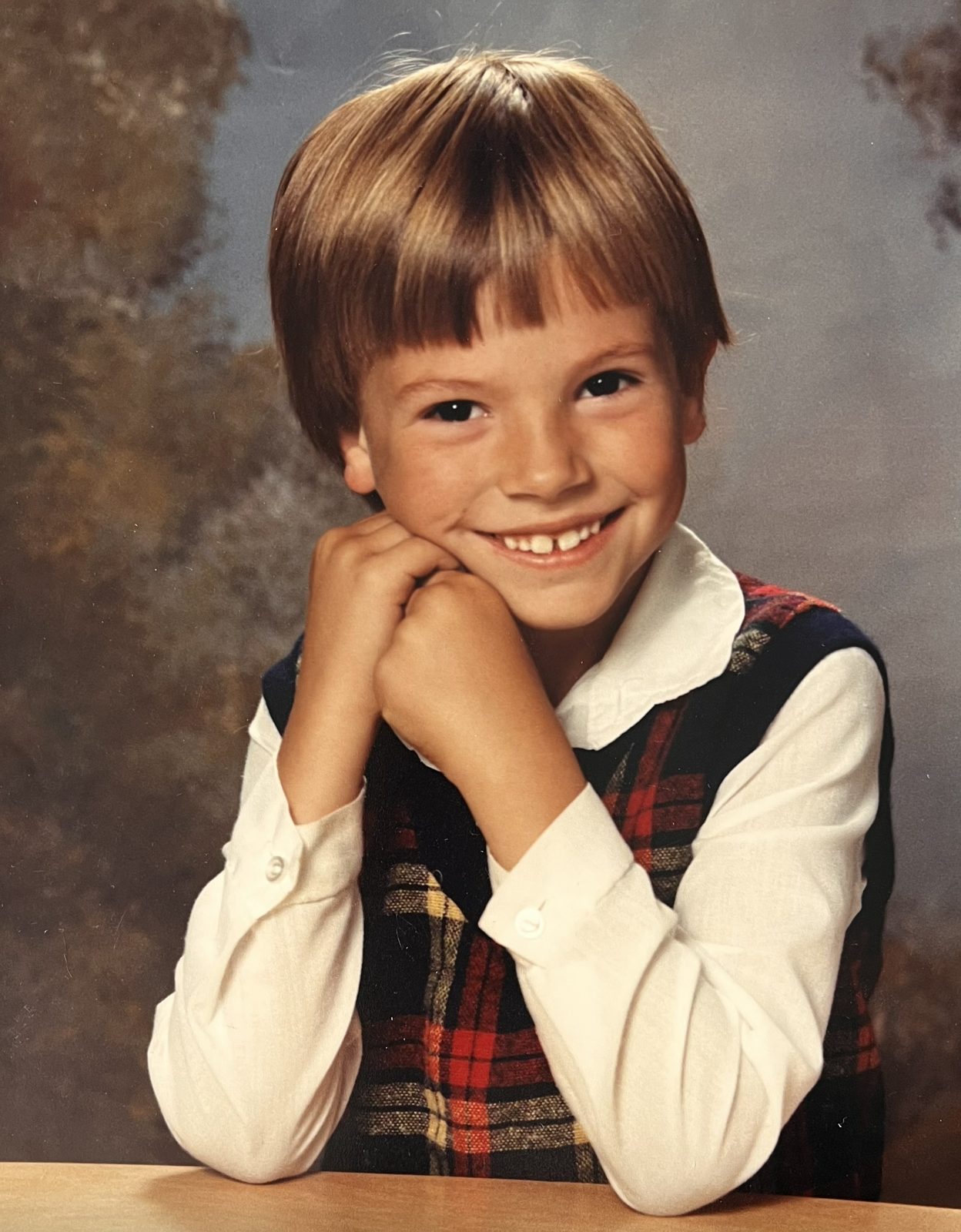
My grandfather, John Cheesman, worked the oilfield as a contractor, traveling all over Alberta and B.C. wherever the work was. My grandmother, Sandy, was a nurse — sharp, capable, and as private as the rest of them — and she could find work wherever John’s contracts took them, because they lived right on the leading edge of the Alberta oil and gas industry. In their later years John and Sandy settled in Calgary. John has since passed; Sandy still lives in that house, limited now by mobility and pain. When I did my technical training down in Calgary for my Red Seal, she put me up and fed me for free, and the talks we had then are something I’ll always be grateful for.
Of John before 1990 I know almost nothing. He was adopted and kept no relationship with the family that came before him — that door he chose to leave closed. There’s a cluster of Cheesmans still around Black Diamond and Turner Valley, the country he and his sons came from, but whether they’re blood kin to John, I can’t say. This family has always been tight-lipped about personal things; it may be a hundred years before the records open and the puzzle can be worked out. So I won’t pretend to a deep past I can’t prove. This line starts where I can honestly start it: with a flame in the foothills, and a small family on the edge of the oil patch.
Chapter TwoBecoming Cheesmans — the bird farm at Teepee Creek (1991–92)
My mother — Maryanne, Elizabeth Maryanne — had been married before, to my biological father, a Lakeman. After that ended she met Brian Cheesman, John and Sandy’s son, and on 20 July 1991 they married — in a double wedding, the same day Brian’s brother David married his partner Kelly. Dave and Kelly’s first daughter, Amber, had already been born the January before. (Amber’s the one who, at about a year old, went down for a nap in the playpen with a bottle of orange Kool-Aid resting against her head and nobody noticed in time — she had an orange patch in her hair for months.) Brian didn’t arrive alone, in other words: he came with a whole second household, and for most of the next decade our two families lived as one.
We moved together onto a quarter-section of treed land just north of a tiny place called Teepee Creek, and there we built, of all things, a bird farm. We cleared bush, ran fences, and put up pens for chukars, quail, pheasants, ducks, geese, chickens, and turkeys. I still remember the farmhouse that first summer, when a thousand chicks were being raised in the dirt basement — the chirping and the smell of them coming up through the floor. The bird farm was the start of a way of living we’d repeat, in field after field, for years: arrive somewhere half-broken, and build it back up by hand.
The bird farm only lasted about two years. The marriage had come on fast and needed a step back, and for a while it was just me, my brothers Christopher and Jonathan, and my mom, in Edmonton on our own. But the break was short. Within a year the family had mended itself and we turned north again — back toward the Peace Country, and the next farm.
Grandpa Cheesman held onto the bird farm for a while after that. I don’t recall exactly when he sold it, but I remember going back one winter — years after we’d moved on — to ready it for renters after it had sat idle and empty. That was the winter of 1996, and it was a brutal one — bitter cold and buried in snow. We pulled up to nearly forty below and close to four feet of snow to shovel by hand, and all I had on my feet were rubber boots. We started at the end of the long driveway near the highway and worked our way in. A group of us trudged ahead to one of the houses, cleared the door, got inside, and started the furnace and a fire — but by then our feet were numb and stinging and our fingers were near frostbitten, and we were throwing snow over our heads as we crept toward what little shelter and warmth there was. It takes a long time to thaw a house that’s been cold all winter. That cold stuck with me; I’d feel something like it only a few times again.
Chapter ThreeThe moving years — LaGlace, Sexsmith, and Spirit River (1995–97)
By about 1995 we’d landed in LaGlace, renting a house from a kind local man. I have Hajdu-Cheney syndrome — a rare condition that shaped my hands and the way I carry my body — and in other towns that had drawn teasing and distance from other kids. LaGlace was different. The classmates and the town were warm, and for the first time in a while I felt like an ordinary fifteen-year-old with close friends. We played games all over town, long games of “town tag” that were best in winter, when there were snowbanks to dive into when someone came hunting. There were so few kids in these little northern towns that when the boys wanted a basketball team they had to recruit anyone they could — so I joined to make the numbers, and belonged. God, we were terrible. I was the worst of the lot, so I mostly just tried to steal the ball off the other team and hand it to a teammate.
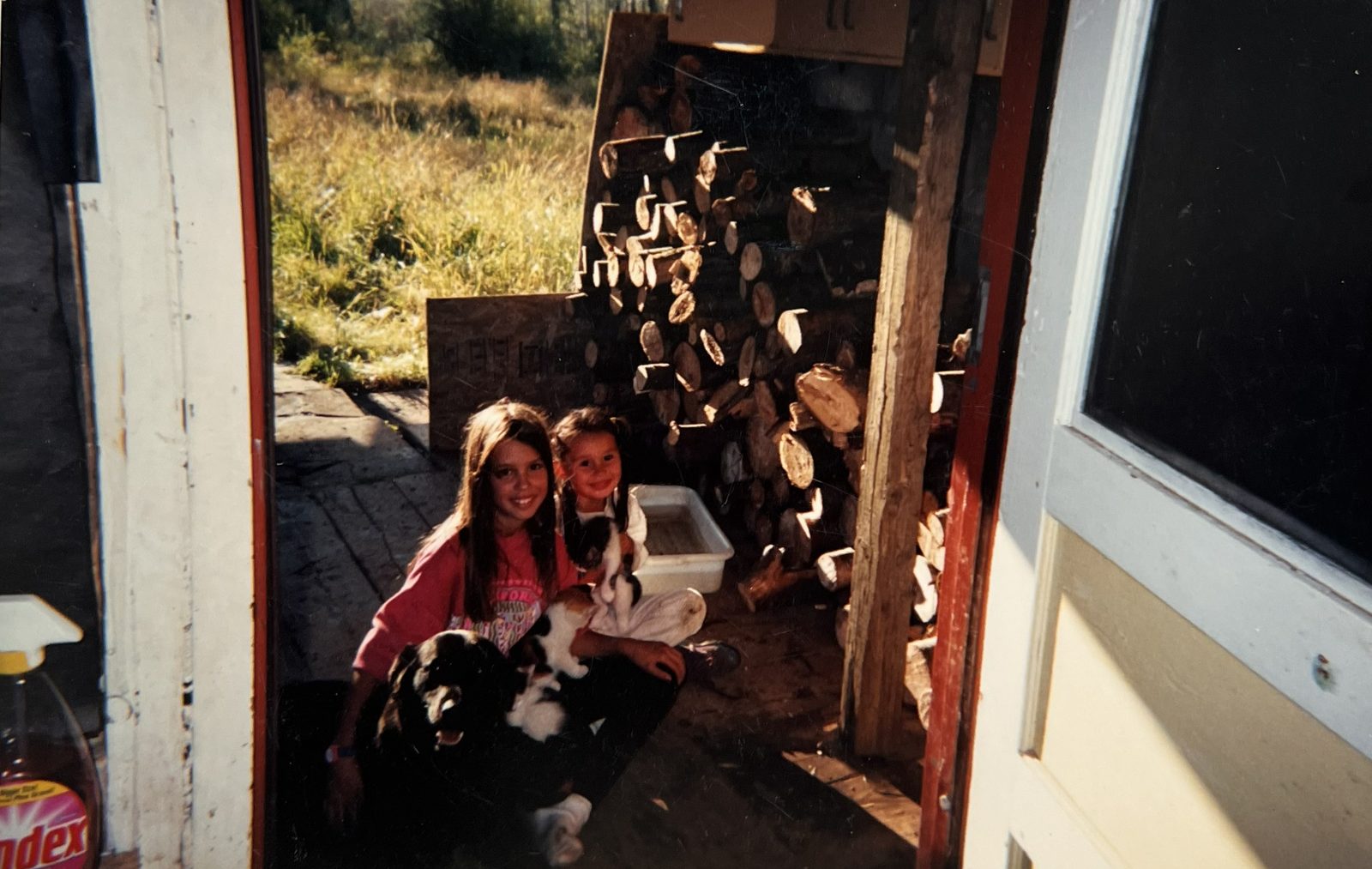
My mom and Brian worked nights doing security at the canola seed plant in Sexsmith, a job that left me suspicious of canola for life, after the things they described coming out of that plant. Meanwhile the family kept adding ground. In 1995 John bought another farm west of Teepee Creek, and he held a quarter-section of bush and ponds up near Blueberry Mountain, northwest of Spirit River, that my uncle Dave and I would visit to keep the cabin standing. For one summer in between places, we even lived in Dave’s backyard in Spirit River. The Teepee Creek farm was the one that would test us, though — old, run-down, and waiting to be rebuilt from the ground up.
For a stretch we all lived close, Brian and Dave’s households braided into one. I was the oldest of the kids, so I was forever the one put in charge — the main babysitter, the one who caught the blame when the younger ones went wrong. I’ve come to think it was the making of me: it taught me young how to run a busy operation full of people, which is exactly what I’d end up doing for a living. Those years had their losses, too — a tent that flooded in a hard rain and wiped out the thousands of baseball, hockey, and X-Men cards I’d collected, of which one binder survived. And in 1998 the joined household came apart when Dave and Kelly’s marriage ended; the three cousins I’d grown up alongside — Amber, Marla, and Clarisa — were gone from my daily life for years, a loss I still feel. In time Dave built a new family with Shannon and her two daughters, Marlee and Kristina — cousins of mine not by blood either, and loved no less for it. Families that build together can also break, and this one did more than once before it found its footing.
Chapter FourThe Candy Cane Farm — the pig farm
The Teepee Creek place went by two names. We called it the Candy Cane Farm because of the paint: we’d ended up with five-gallon pails of white and what was supposed to be barn red but came out bright fire-engine red, so the barn, the fences, and a few of the corrals and pens all went on in red and white stripes. And we called it the Pig Farm because this time we didn’t just build the place, we stocked it. We ran a herd of eighty Black Angus cows, twenty or thirty pigs depending on the litters — sometimes far more — plus chickens, and a cast of animals I still think about.
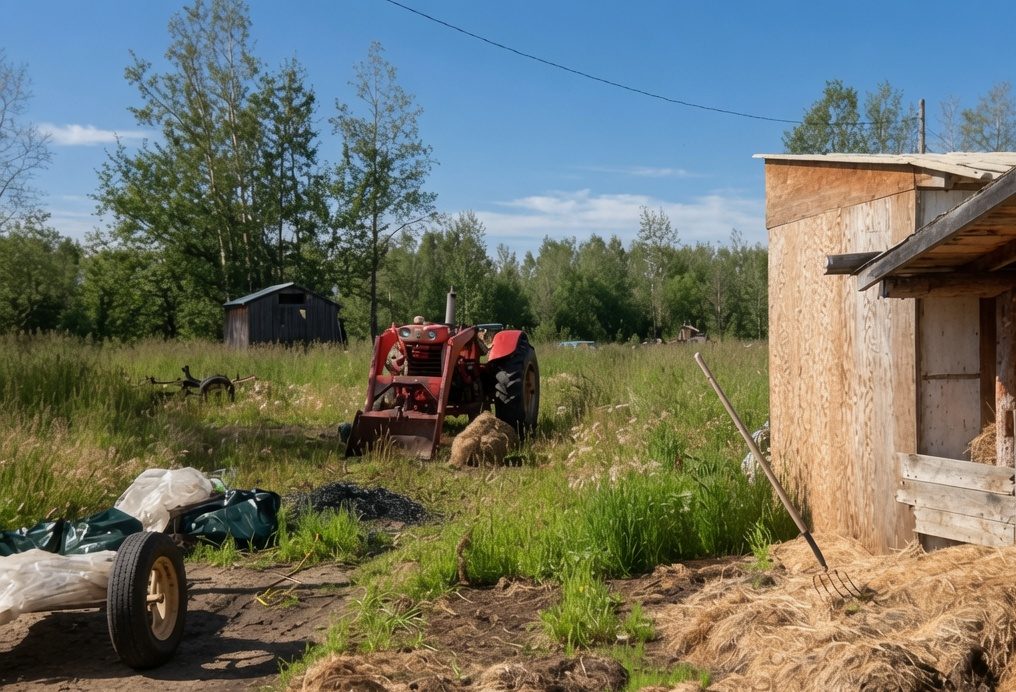
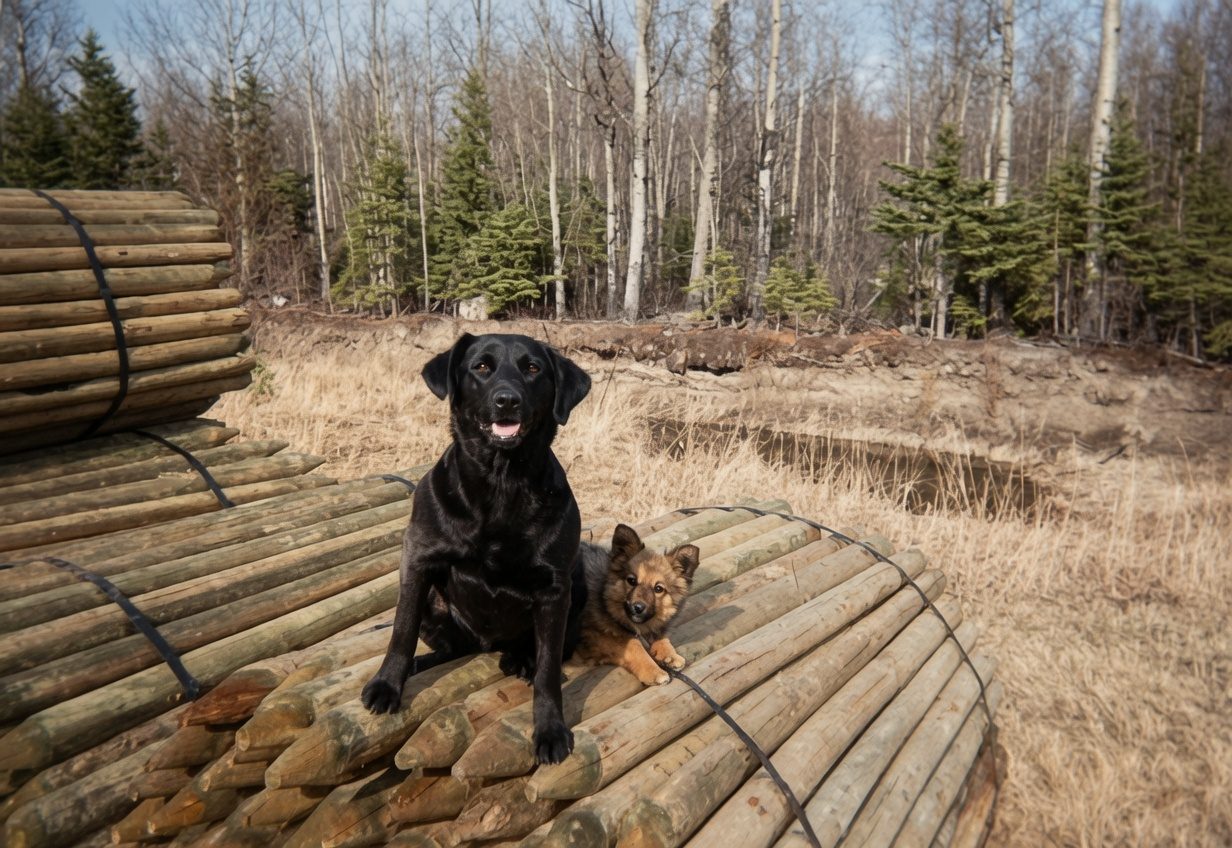
Trumac was the registered bull, and he did all the hard work of keeping the ladies happy. He was so big he couldn’t fit through the cattle chutes. The whole herd followed him, so once you knew that, you could move eighty cows with a bucket of oats — cows love oats — just by leading Trumac. He and I sort of hung out; I always got the feeling he’d have let me climb on for a ride, but I was never brave enough. Spud was the boar that fathered all the piglets, a massive, friendly animal who loved a good scratch and a side rub. Pig hair is coarser than paintbrush bristles, which is what work gloves are for. The trick with pigs is to raise them knowing what eggs are — we kept a chicken coop right at the end of the corrals, and when we had eggs to spare we’d give them over, so if a pig ever got loose, all you had to do was grab an egg and it’d follow you home loyal as a dog.
The pigs were half an accident, really. One day Brian and Dave went to the auction and came home with a few weaner pigs they hadn’t quite planned on — and no way to get them home but the back seat of the old brown Ford. They never did get the smell of pig out of that truck, and we needed it for farm work, so I drove it long before I had a license, baking in that smell on the hot days. Be careful at auctions. Another trip they came back with two goats: Festus, whose jaw sat crooked, like it had been dislocated once and healed wrong, and Rubber-Leg-Joe, a pudgy goat with a terrible limp on her front left leg. There was a horse, too, that nobody could ever catch — too anxious, too nuts — so all we could do was pen her with Trumac, who she somehow got along with fine. One winter that horse ate all the foam, wires, and hoses off the snowmobile. Just the nonmetal parts. Magnificent.
The days were chores end to end: building, harvesting, feeding, mucking out pens, plus housework and homework on top. Winter was the hardest, because every one of those animals needed fresh water hauled daily. We had a hose that ran over three hundred feet to reach the cattle and pig troughs and was forever freezing up; we’d run it from inside to fill the cattle, and use the outdoor pump to fill pails we carried down by hand, over a six-foot wooden fence that made a shortcut — getting full pails up and over that was never a one-person job. Summer had its own aggravations: water a pig and it’ll lie down on the edge of the dish and tip the whole thing out so it can wallow in the mud, and it won’t even wait for you to leave before doing it. Mud is sunscreen to a pig — a clean pig burns easily in the sun — so on the hottest days we’d just bring water a few times and let them roll. Rubber-Leg-Joe and Festus were never far from any of it, scaling fences or buried in the haystack or wandering loose. One day Rubber-Leg-Joe kept headbutting the patio door until we gave up and let her into the living room to hang out with us. Pointless animals to keep, those goats. They had a good life.
And then there was baling, which was a whole-family affair. One person on the tractor, one riding the baler to make sure it kept feeding, one or two walking behind to stack, a driver pulling the wagon, and one or two more lifting bales off the ground to toss up to whoever was stacking on the trailer. There’s a reason farm kids are allowed extra time off school at harvest. We needed bales to carry eighty or ninety cows plus their calves through winter, and straw to keep all the pigs and chickens bedded down and dry — fifteen or twenty bales a day, every day, until the next harvest, which is how we’d end up stacking piles of more than three thousand.
Not everything on that farm was friendly. One cold night I woke to a strange glow in the barn where the pigs slept — on a winter night the steam off the barn always looked like smoke, but this was a fire. I ran to wake my mom and dad and they sprinted out to put it out, and when they got there one of the sows was throwing herself down and rolling on the burning hay, trying to smother it herself, because she had a litter to protect. We caught it before it spread; the only real damage was some scorched plywood and burns down one of the sow’s sides. She came through, but she disowned her piglets afterward and we had to bottle-feed them. A few didn’t make it.
The cats were another matter. Beastly had a litter of kittens under a shed I didn’t know I’d walked into, and she came flying through the door hissing and swinging claws. I scrambled out and ran flat out for the house a hundred yards off, and she chased me the whole way — right through the patio door and up onto the back of the living room chair, where I stood kicking and screaming my head off while she leapt and clawed. It felt like an eternity before Cone, the farm dog, came and chased her off. I genuinely thought I might die on the back of that chair.
Another time the coyotes had me. I was out on the trailer feeding the cows their bales when a pack circled me up there. They aren’t big, but they’re loud and they have sharp pointed teeth, and they were getting close to figuring out how to come up after me when Cone came tearing in and ran them off. She’d done it before — she’d kill coyotes and drag them back to the house, tough as nails. Cone had come with the farm. When we took the place over there’d been a shed, eight feet by eight, with dogs locked inside it; the man before us worked an oilfield rotation and instead of finding them homes he’d just shut them in and dump food on the floor for the two weeks he was gone. The floor was a foot of filth and ruined food, the worst thing I’ve ever seen, and most of those dogs were too far gone in the head to save and had to be put down. Cone was the only one who came through it, and somehow she came through it loyal and loving, living outside year-round, even at forty below.
Chapter FiveLittle Smokey — the modern pioneers (1997–99)
In 1997, done at last with the transient life of flipping one rough farm into the next, Brian and my mom bought a place of their own near Little Smokey — a gas station and a hotel on the highway, forty-five minutes one way to Valleyview and twenty-five the other back to the farm. The place was a half-section of trees and swamp on the green belt, cheap for a reason, and it threw us back into a way of life our pioneer predecessors would have recognized.
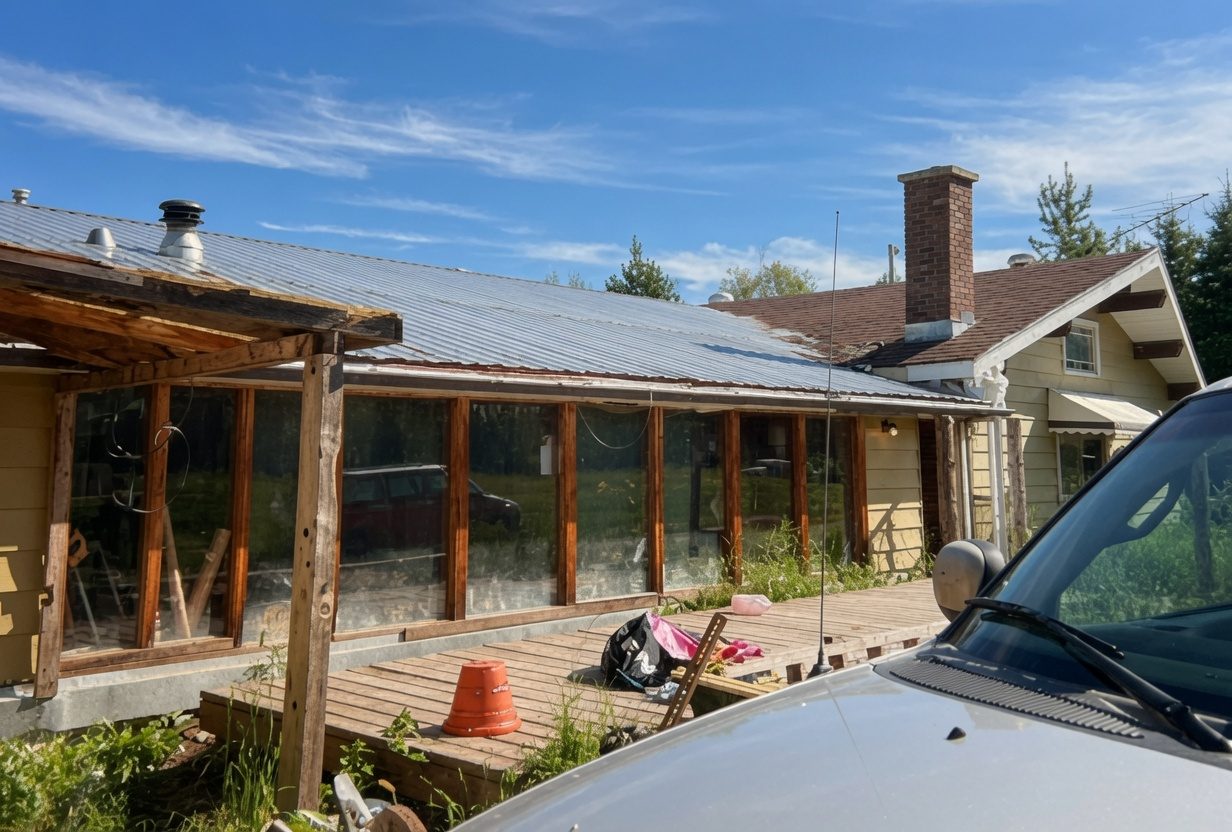
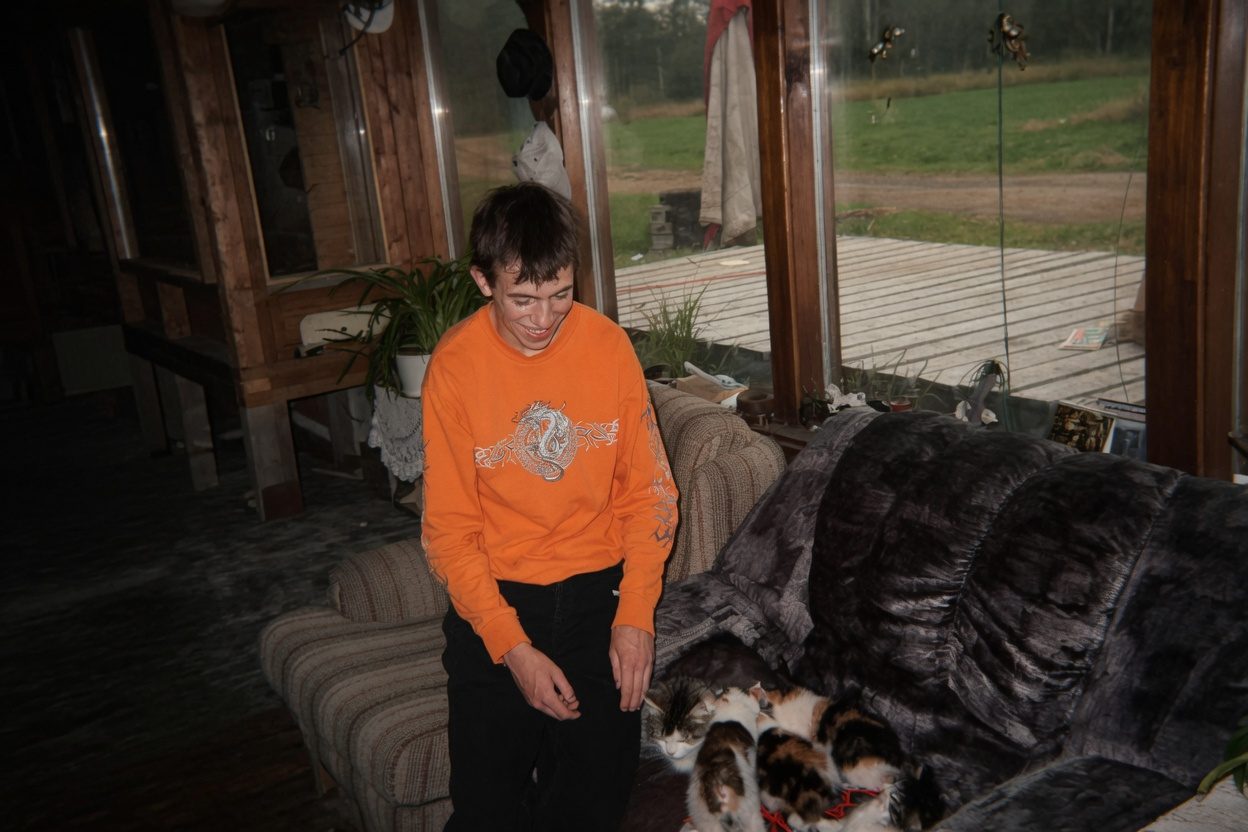
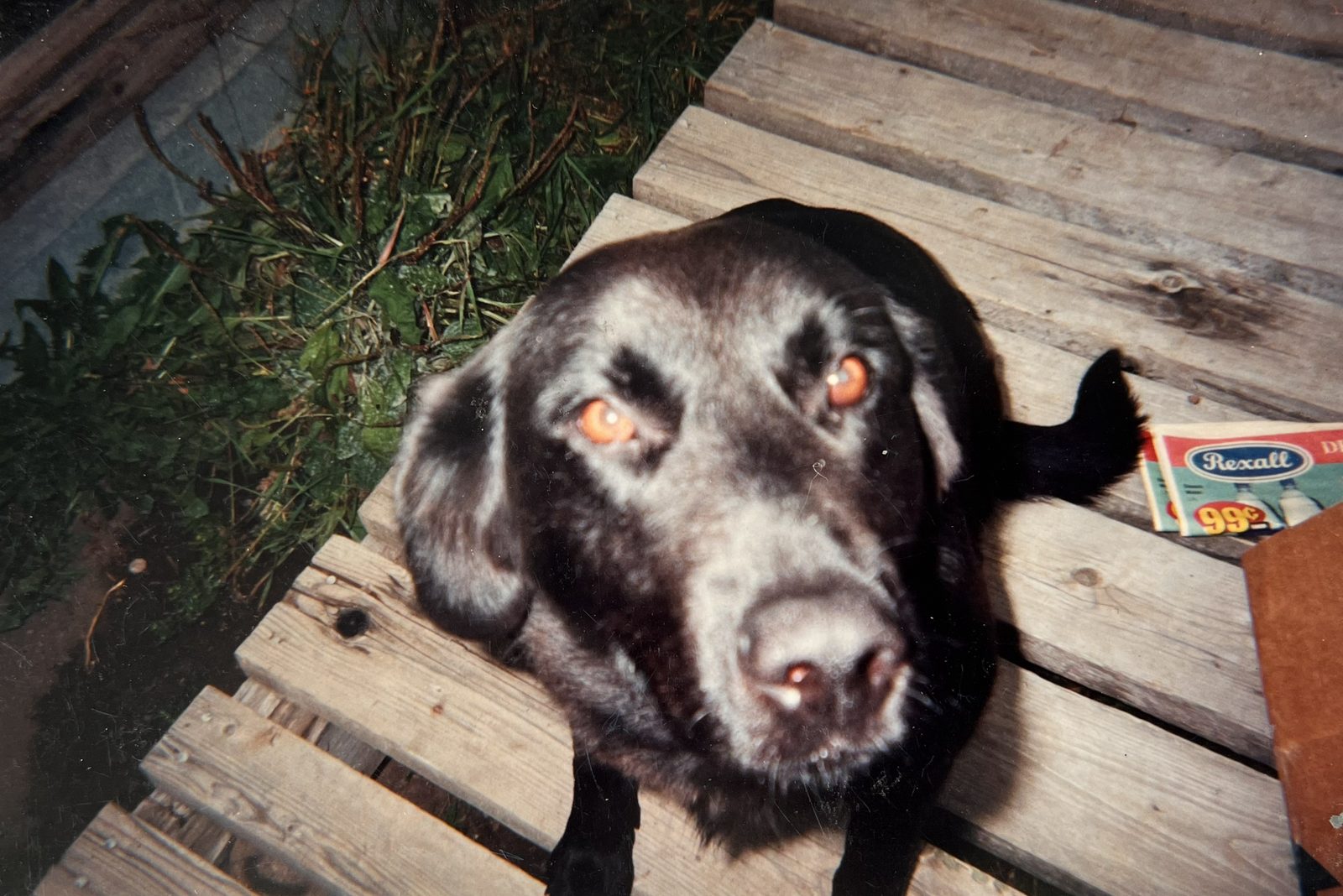
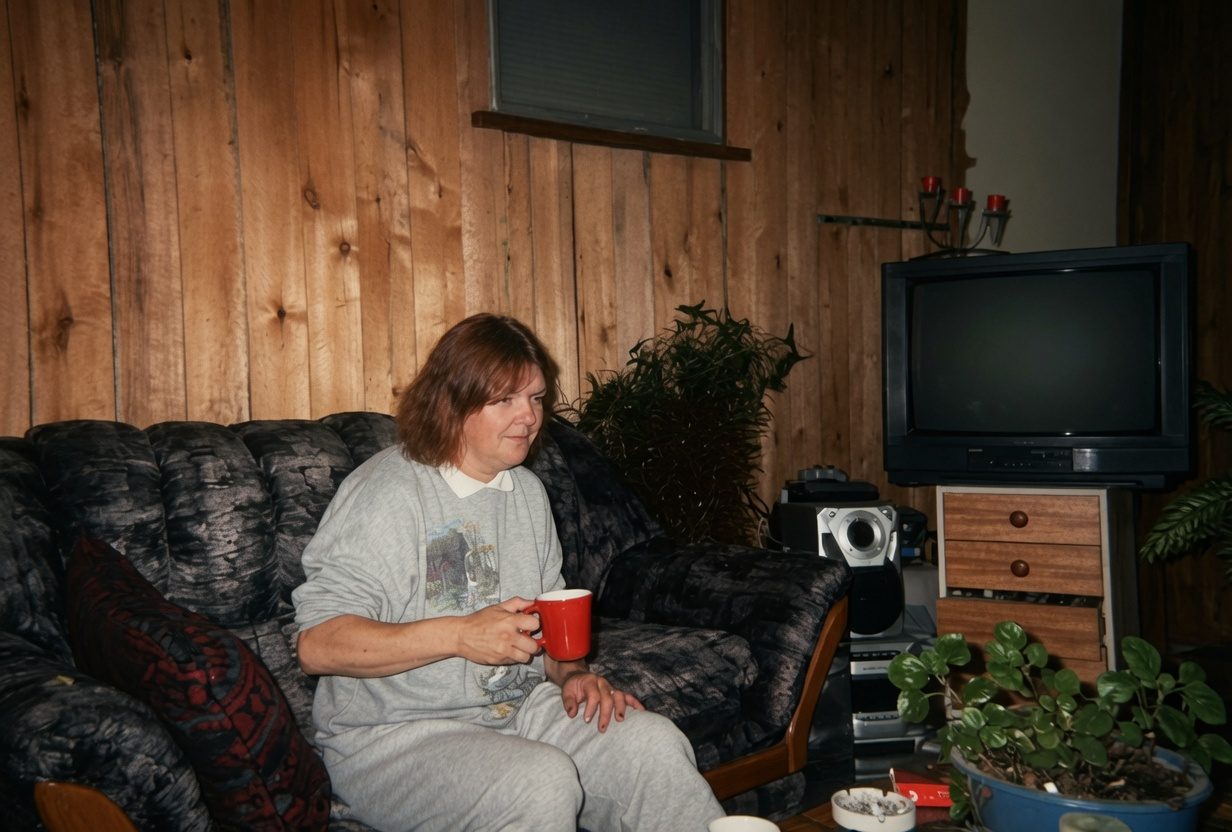
There was no natural gas at the house. The well water ran thick with iron and calcium and couldn’t be drunk. We heated the place with a wood furnace, and on the nights we wanted hot water for baths or dishes we heated it in an empty oil barrel over an open fire — start it with supper, and it was ready by the time the meal was done. Moose stood in the yard; bears, eagles, and hawks worked the green belt. I taught myself to snare rabbits, walking a trapline through the snow. The ground was so soft that when the road crews came through they stopped just past our farm — the machines were sinking into the muskeg, and after they lost one to the mud they called it quits and left us at the literal end of the road. The year was 1997, and we were living on the edge of the country much the way the homesteaders in the other family lines had a hundred years before.
My brothers and I worked out that it was easier to drag whole trees back to the yard than to carry armloads of wood out of the bush, so Chris and I built a wagon out of two tires and a sheet of plywood — narrow enough to thread between the trees, but long and strong enough to load with a few hundred pounds. One of us pulled and one pushed, and for the big logs it took two pulling and one pushing. A couple of those big ones would heat the whole house for a night. The furnace lived in what amounted to a bomb shelter — a cinderblock addition off the house, one door, fifty square feet of room for wood and pokers. One night Uncle Dave was loading the fire and turned around to find a black bear poking its head in the door. Our two black labs, Star and Shadow, came around the corner and chased that bear so far they were gone a week — we thought we’d lost them.
The farm had belonged to a bit of a hoarder, so there was junk and old burn piles everywhere, and one cool, damp, windless day — mom and dad were away in Edmonton — my brothers and I (probably me) lit one up. We watched it close. But it was a smoky one, smoky enough to be spotted from a fire watchtower, and a helicopter got dispatched to check it out. It circled a good while before setting down in the yard. I about pooped my pants — I was sure we were in for it. They asked their questions and lectured us about needing a permit during a fire ban; living in what was basically a swamp, it never occurred to us the country could be considered dry. The funny part was the helicopter lifting off just as mom and dad came up the driveway from Edmonton; they’d seen the smoke from a mile off and thought it was an air ambulance and that something terrible had happened. Once they realized we were fine, they weren’t too fussed.
Here, as I was turning eighteen, Brian came down with a chronic illness that took years to diagnose and has since settled into something he lives with rather than something that’s taking him.
Chapter SixBrian and Dave — what the brothers gave me
Brian and Dave were inseparable — so much so that I tend to say both names together — and being a kid in the middle of that meant I got two of them: a stepdad and an uncle who took me on as their own. A good share of who I am I learned standing next to one or the other of them — so this chapter ranges back across all the years and all the farms, gathering up what the brothers gave me.
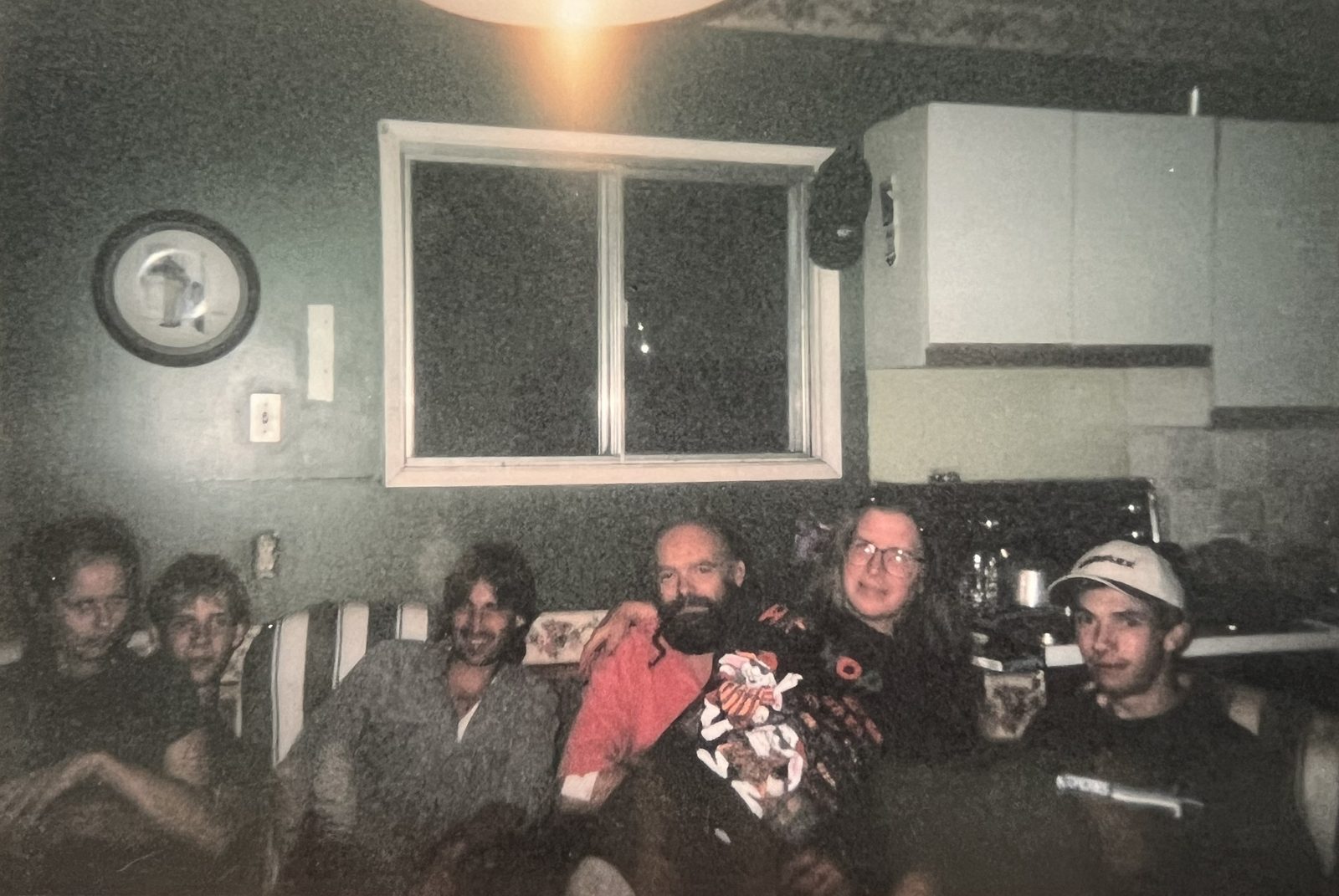
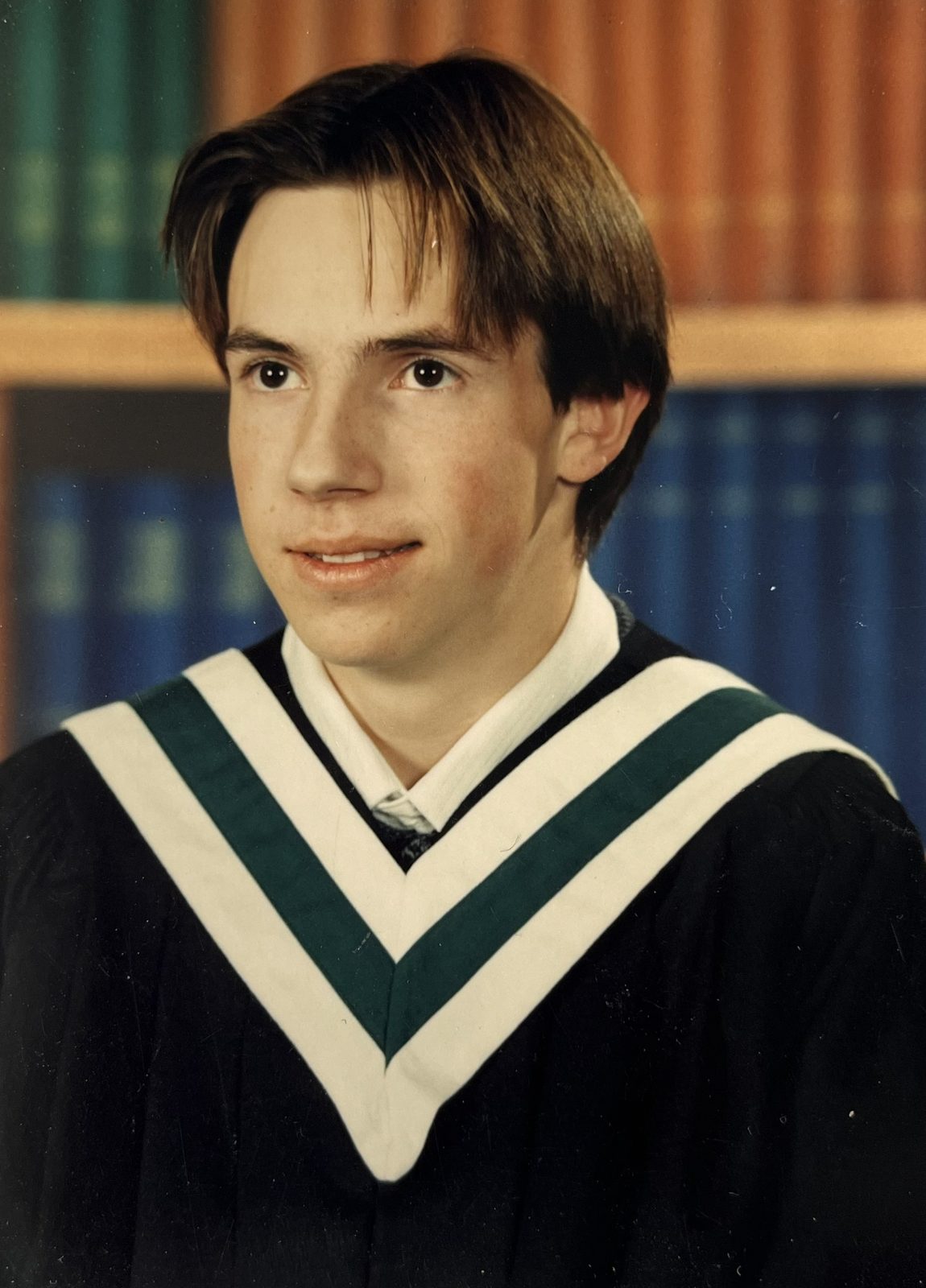
The kind of men they were shows in one afternoon at the bird farm. Grandpa Cheesman came by and took Brian and Dave into Grande Prairie for groceries — he liked to drop in and put a thousand dollars of food in the house now and then, so nothing seemed off. About five hours later Grandpa pulled up with the groceries, and then Brian came up the drive behind him in a new-to-us brown Ford pickup, towing a speedboat, with a trampoline in the box. How he could afford it all I still don’t know — John was a contractor and good at it, so probably a paycheck or a bonus had landed. To a kid, that trampoline was the greatest thing that had ever happened. I was eleven, Chris was about nine, Jonathan seven or eight, and Amber was one.
With a boat in the family now, fishing became something we did together all the time. I learned to fish trout in the lakes of the Peace Country, and pulled walleye, pike, pickerel, and whitefish; I tried for arctic grayling and never landed one. Moonshine Lake was new and freshly stocked then, a big square of water with easy shoreline all the way around.
When Grandma and Grandpa came around, it usually meant a run into Grande Prairie for supplies, and a stop at Grandpa’s favourite buffet — Momma Pandas, though it was Apple Betty’s back then. If we needed clothes or anything else, we’d get it; nothing fancy, but we had something. One time Grandma did the back-to-school shopping and cursed us with New Kids on the Block backpacks — not exactly the thing to walk into a Teepee Creek classroom with. No wonder I had just a few friends there.
My mom was a nervous driver, so we all agreed Brian should be the one to teach me. He let me drive the truck around the pig farm to get a feel for how it handled, and I learned in a red station wagon that needed a screwdriver to start — we used it to run tools and fluids out to the tractor, and to tow the bale wagon; it had decent power but no box to haul in. Some days Brian and I would be out fencing while Dave took Christopher and Jonathan to harvest.
Dave taught me to hunt. In the early years he and I would drive the back roads around Teepee Creek through hunting season; later we hunted right on the Little Smokey property. Dave was a genuinely good shot, and that was rule number one, he said: learn to hit what you aim at. Rule two was to be quiet and move smooth. Rule three was to be in the right place at the right time. One day we had all three on our side, and Dave dropped a big old buck. I got the job of dressing it and hauling it back to the truck so we could hang it at home. The meat was never really the point — Grandpa always made sure every one of us had food on the table and a roof overhead. The point was that knowing how to hunt is the kind of skill that’s there if things ever go sideways. I got good at it, too: the principal at the Teepee Creek school was a crack shot, and I came close to beating him at the range. Not bad for a city boy, eh? I’m only an okay shot these days — the recoil is too much for my shoulder now. The last time out was with my buddy Rob for one of his birthdays; we spent the whole evening on target practice and blew up an old car with Tannerite. I came home with a wicked bruise and a sore shoulder, and I’d had a blast.
For all their handiness — and they were handy; give Brian and Dave a job and they could pull it off — they weren’t always great at finishing. Just ask my mom. There was the bedroom that ate half the living room on the pig farm, the pit in the living-room floor at Little Smokey, the gutted bathrooms, and bare drywall in just about every house we lived in except Edmonton and LaGlace. That drywall is how I once ended up inside a wall: Brian and I were wrestling, he picked me up and slammed me into it, and I went straight through and got pinned there. It didn’t even hurt — it was cheap old board where a glued-on mirror had been pulled off.
By the end of Grade 12 I finally had wheels — a red 1983 Mustang that had sat a year in a farmer’s field, which Brian and Dave got running again for me with a new clutch and a headlight (a manual, which is no trouble at all if you grew up on farms). There’s a whole other story in that car — I tell it over on my own page. Out near Little Smokey I was always the new kid and always forty or fifty minutes from anywhere, so seeing friends after school was mostly impossible — which made turning eighteen a bigger deal than it would have been for a town kid. Brian, Dave, my mom, and Dean took me out for an epic little pub crawl. Dean was Brian and Dave’s best friend going right back to when they first came up from Turner Valley — he played softball with us in Valleyview and was always a good time. We started at Kelsey’s and worked through a couple of bars. Honestly, I think I was more high on the sugar and the sheer fact of being eighteen than anything, but I still got good and wasted. I felt fine right up until I bent down to tie my shoe, and when I stood back up the booze landed all at once — bang, drunko.
That fall — 1999 — I finished high school and left for Grande Prairie, the first move in this whole story I made on my own.
Chapter SevenGrande Prairie, the kitchen, and oil again (1999–2013)
The doctors had never given me much room to plan a life. I was told I wouldn’t live much past twelve. I was told I shouldn’t have kids. I was told I’d be in a wheelchair young. I decided early that I wanted to be the driver of my own life anyway — so I enrolled in a Bachelor of Science and spent three years working through the second-year sciences, because more than anything I wanted to understand the world, and to become my own expert on the condition no one around me seemed to understand.
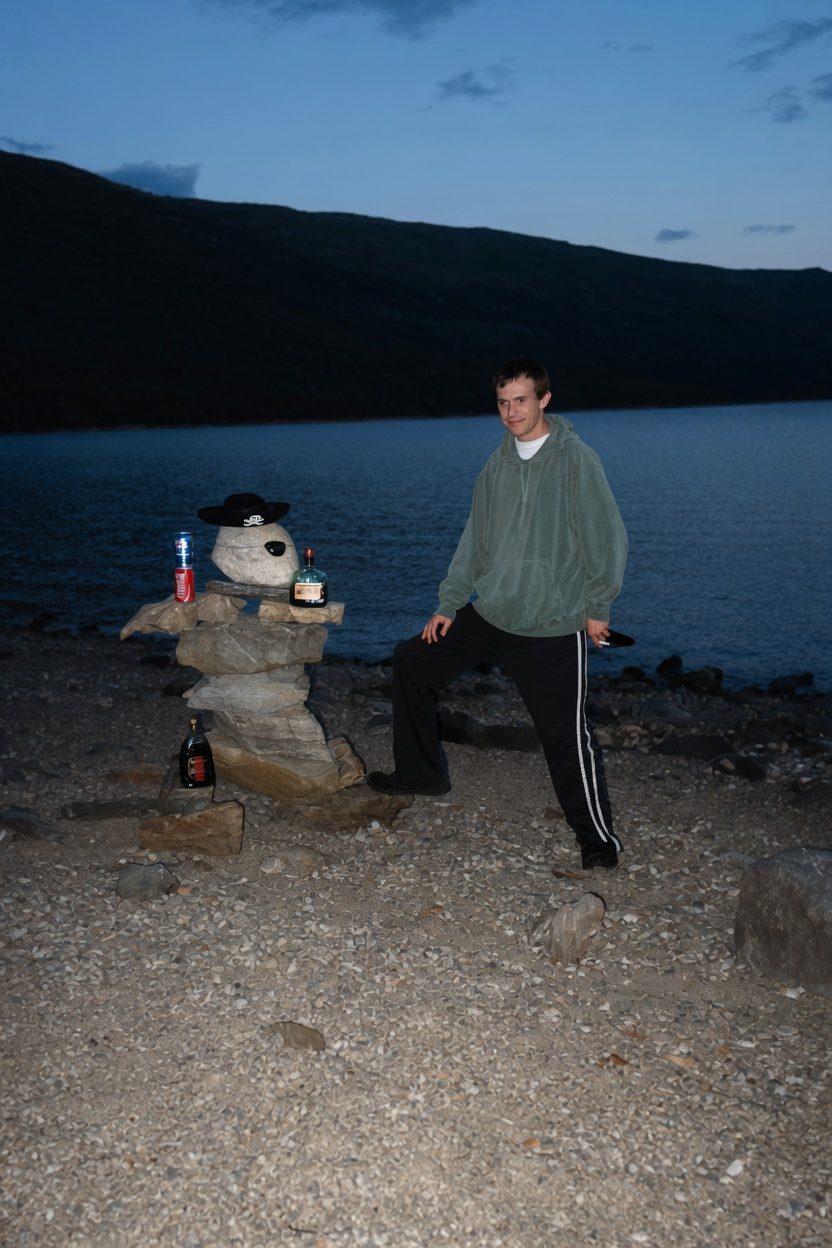
Money was the problem. When Brian’s illness put him out of work the family’s finances buckled, and I had to earn — so in 2002 I walked into The Keg for a serving job and got hired as a salad tender instead. I thrived there, among a kind and lively crew, and I ended up staying eleven years. Oil ran through those years the way it ran through the whole family: funded partly by a gift of two thousand dollars from my Aunty Eleanor and Uncle George, I did a practicum at Petro-Canada’s SAGD plant in Fort McMurray — boiling water at hundreds of degrees and tremendous pressure and driving it underground to bring up oil and sand and gas — and trained toward power engineering, planning to make good money in the patch and open a restaurant of my own. There’s a quiet symmetry in that: my blood father’s line, the Lakemans, had ridden the global oil industry across five continents; my chosen father’s family had worked the Alberta patch; and there I was, carrying both, pulled toward the same fire on the ceiling.
The restaurant-owner plan ran into a wall — a condition that can’t be insured is a hard thing to build a business on — so I built where I already stood. I worked up to kitchen manager and, when the head chef had a heart attack, ran the kitchen in his place, earning my Red Seal as a certified chef on training trips down to Calgary.
At the Keg we were always full and busy, every day a hustle from eight in the morning to midnight. It’s amazing how you can be in the thick of it — watch the kitchen get destroyed two or three times in a day — and by the end of the night the dishes are done, the surfaces clean, the floors mopped, and all the food put away, as if all memory of serving the day’s six-hundred-plus customers has been erased and all that’s left is a few cash receipts on the spike for free bread. One of the roughest nights came when we were in the thick of the building’s growing pains. We’d tapped every possible amp out of all the breakers coming into the building — we were even blowing the tube fuses in the panels — and as if that weren’t enough, it was a Valentine’s Day, and at seven o’clock the lights went out and the emergency exit lights came on: we’d drawn so much juice we blew the transformer. It wasn’t long after that a new reno was in the works, because how can you risk losing half your sales and letting down hundreds of guests in one evening again?
When I finally left the Keg, the cooking didn’t stop. I was Head Chef at Ric’s Grill the very day my daughter Patience was born. I taught Culinary Arts at the college for the final semester of their Hospitality and Tourism diploma; I helped open a restaurant that didn’t last long; I ran the kitchens at Majors Homestyle and Tractor Jacks; we fed the crews building Grande Prairie’s new regional hospital; and we did a lot of catering — banquets and funerals. I’m proud of that working life — and somewhere in the middle of it, in my last year at the Keg, I met Melanie, and the chapter this whole family of stories has been running toward began.
The Living LineWhere the Cheesman name gathers the others
In every family line that stretches across generations, there comes a moment when its story ceases to be a record of the past and instead becomes the living inheritance of those who carry it forward. The Cheesmans — the youngest line, the chosen one — have barely any history to leave behind, and that’s the point: this line is almost all present tense, and it’s mine.
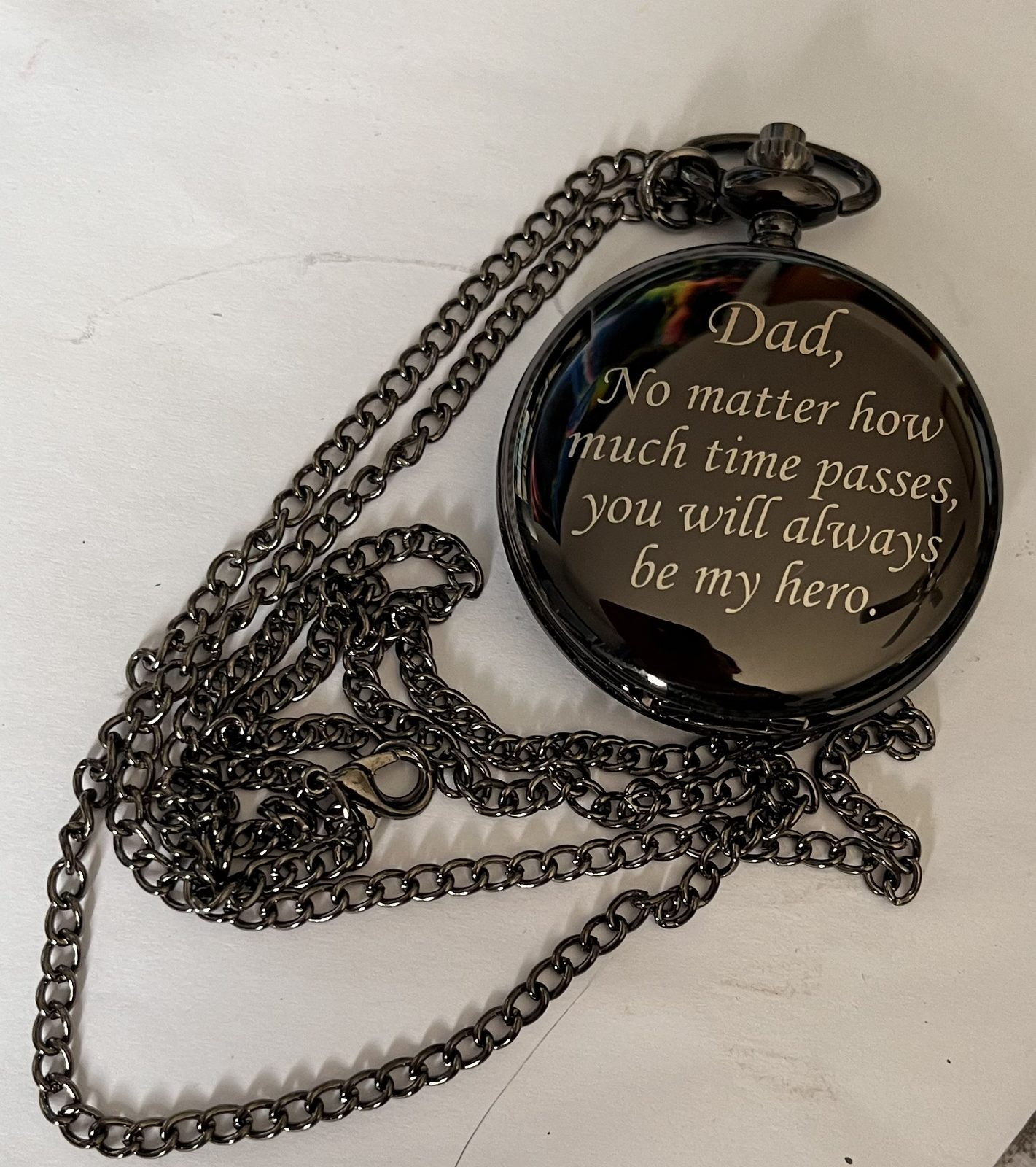
The Cheesman descent
- John worked the oilfield as a contractor across Alberta and B.C.; Sandy nursed wherever the contracts led
- John was adopted and kept no relationship with the family before him — the line’s deliberately closed door
- From Turner Valley, where Alberta’s first gas came roaring in, 1914 — the flare young Thomas called my fire
- Whether the Black Diamond–Turner Valley Cheesmans are blood kin to John is left honestly open
- Married 20 July 1991 — a double wedding, the same day Brian’s brother David married Kelly
- Built the bird farm at Teepee Creek, then the red-and-white Candy Cane pig farm, then pioneered the Little Smokey half-section
- Maryanne’s three sons came into the name; Thomas made it legally his own at twenty, in 2001
- Married 2 July 2016
- The parents of Patience, Daniel, and Faith — the chosen name, handed on
- Born 2013, 2015, and 2017, all in Grande Prairie
- Heirs of all eight family lines — the confluence this whole site is built around
Through me run the Lakeman line out of the Dutch polders and the Indies, and through my mother the Docherty and the Hebridean McIver, Campbell, and Cameron lines out of Ireland and the Scottish islands. I carry the surname Cheesman not by blood but by choice, from the step-father whose family took me in. And through Melanie Lyn Haiste come the Haiste line out of Yorkshire and the Rycroft and Steinke lines down through the Peace Country. Melanie and I married in 2016, and we are the parents of three children, all born in Grande Prairie — Patience, Daniel, and Faith — three kids I was once told I’d never have. It’s the Cheesman name, the chosen one, that gathers all eight lines under a single roof and hands them on. Each of those currents has a telling of its own — the Lakeman, Docherty, and McIver lines I carry, and the Haiste, Rycroft, and Steinke lines Melanie brought.
None of the people in the older stories could have pictured these three, or the world they’re being raised into. I think about that world a lot — about whether the next great machine, this time an artificial intelligence, will scatter working people the way the drained lakes and the failed colonies and the dust storms and the oil booms scattered every generation before us, or whether my kids will grow up somewhere it no longer much matters where a person is. I don’t know. Nobody ever has. What this family has always known instead is the other thing — the thing every one of these eight lines came down the centuries practising.
The Lakemans had a word for it: doorkomen, to come through. We Cheesmans have no inherited word, because we’re too new to have one — but I think we hold the truest version of the act itself. We’re the proof that a family can be chosen: that a name freely given and freely kept can hold as fast as any drawn in blood, and that a life you were told you couldn’t have can be lived anyway, on your own terms. Patience, Daniel, and Faith inherit that, together — the chosen channel, and the seven rivers that fill it. The world they’ll live through isn’t written yet. But this family has been here before.
Notes on the records
This is, by a wide margin, the thinnest line in the family on paper — and, paradoxically, the best-attested in living memory, because most of it was lived rather than researched. The honest shape of the evidence:
- My grandfather is a closed door. The late John Cheesman was adopted and kept no relationship with the family before him; nothing of the Cheesman line above him has been verified, and the family’s reticence means it may stay that way for a long time. The Black Diamond / Turner Valley Cheesman cluster is named here as geography, not as proven kin — whether those Cheesmans connect to John is left honestly open.
- Turner Valley as the first commercial gas field in Alberta (1914) is established history; our origin there rests on family testimony.
- Everything from 1991 onward is living memory — first-hand account, the most reliable evidence this whole project has, and the reason this line is written from the inside, and at length. Out of respect for the living, this telling leans toward the warm and the load-bearing and away from the most private chapters; the harder passages are the family’s own to tell or withhold.
- No lineage table is given. The other seven lines earn one by reaching back through documented generations; this line reaches back only as far as an adopted grandfather, and most of its people are living. A table of names and dates would be both thin and intrusive. The story is the record here.
This is a living document, and the most living of the eight — written from the inside, by the kid the family chose. That’s the only place this particular story could honestly be told from.
Last updated
Download this story as a keepsake PDF
Next line → The Dochertys — family line 02 of 08